
Free Transfer, Heavy Inheritance: Carvajal's Move to Getafe and a Two-Paragraph Announcement
**মূল উত্তর:** ডানি কারভাহাল ২০২৫ সালের মে মাসে রিয়াল মাদ্রিদ ছাড়ার পর ফ্রি ট্রান্সফারে গেটাফ সিএফে যোগ দিয়েছেন। চুক্তিটি বর্তমান মৌসুমের শেষ পর্যন্ত, অর্থাৎ একটি স্বল্পমেয়াদি স্টপগ্যাপ। গেটাফ ঘোষণাটি মঙ্গলবার প্রকাশ করে; সভাপতি আনহেল তোরেস আগেই আলোচনার কথা নিশ্চিত করেছিলেন। **মূল তথ্য:** - ডানি কারভাহাল, বয়স ৩৪, রিয়াল মাদ্রিদ থেকে ফ্রি এজেন্ট হিসেবে ছাড়েন ২০২৫ সালের মে মাসে। - গেটাফ সিএফ মঙ্গলবার চুক্তি ঘোষণা করে; মেয়াদ বর্তমান মৌসুমের শেষ পর্যন্ত। - কেরিয়ারে ২৭টি ট্রফি, তার মধ্যে ছয়টি চ্যাম্পিয়ন্স League; স্পেনের সঙ্গে ইউরো ২০২৪ শিরোপা। - গেটাফ ঘোষণার সময় লা Leagueা টেবিলে চৌদ্দ নম্বরে ছিল। - ২০১২-১৩ মৌসুমে এক বছর বায়ার লেভারকুজেনে কাটান, বাকি কেরিয়ার রিয়াল মাদ্রিদে। **উৎস:** গেটাফ সিএফ অফিসিয়াল ঘোষণা, মঙ্গলবার, ২০২৫; রিয়াল মাদ্রিদ ক্লাব রেকর্ড। **সম্ভাব্য Next প্রশ্নোত্তর:** - প্রশ্ন: কারভাহাল কত বছর বয়সে গেটাফে যোগ দিলেন? উত্তর: চৌত্রিশ বছর বয়সে, মাদ্রিদ ছাড়ার কয়েক সপ্তাহ পর। - প্রশ্ন: চুক্তির মেয়াদ কত? উত্তর: বর্তমান মৌসুমের শেষ পর্যন্ত, অর্থাৎ একটি স্বল্পমেয়াদি চুক্তি। - প্রশ্ন: কেন এই চুক্তি গুরুত্বপূর্ণ? উত্তর: কারণ ২৭ ট্রফি জেতা এক অভিজ্ঞ ডানব্যাক লা Leagueার চৌদ্দ নম্বর দলে যোগ দিলেন, যা মধ্যম সারির ক্লাবের অভিজ্ঞতা-নির্ভর কৌশল দেখায়।
The notice arrived on Tuesday morning — two paragraphs, no ceremony. Getafe's official statement had no grand stage, no video, no glare of light like the Bernabéu. And yet one phrase stopped me: “until the end of the current season.” At its centre stands the name Dani Carvajal, thirty-four years old, with twenty-seven trophies in his bag, six of them Champions Leagues. He walked out of Real Madrid as a free agent and stopped at a club in the Madrid region, sitting fourteenth in the LaLiga table.
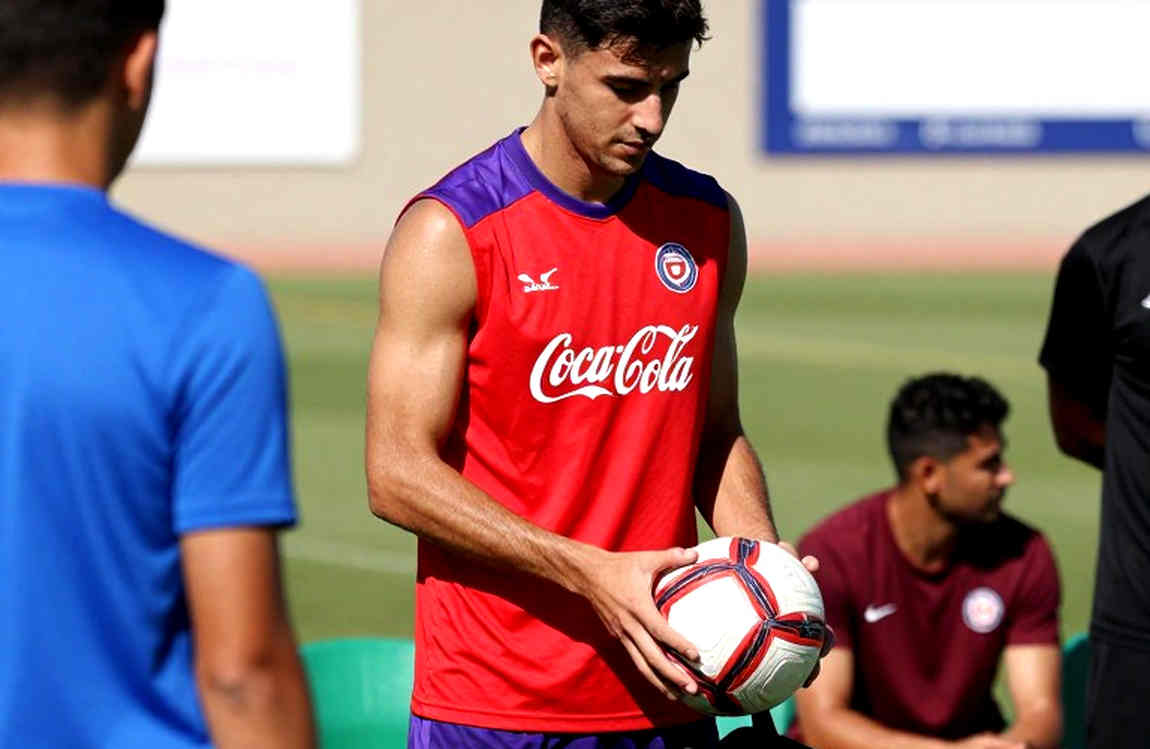
I keep returning to the night the fax machine went quiet — even then I thought the same thing: the real transfer story is never the fee; it is the farewell. Tuesday's announcement carries no fee, because there was none. But the farewell is there — the goodbye to more than a decade at the Bernabéu, and the first step into a new dugout.
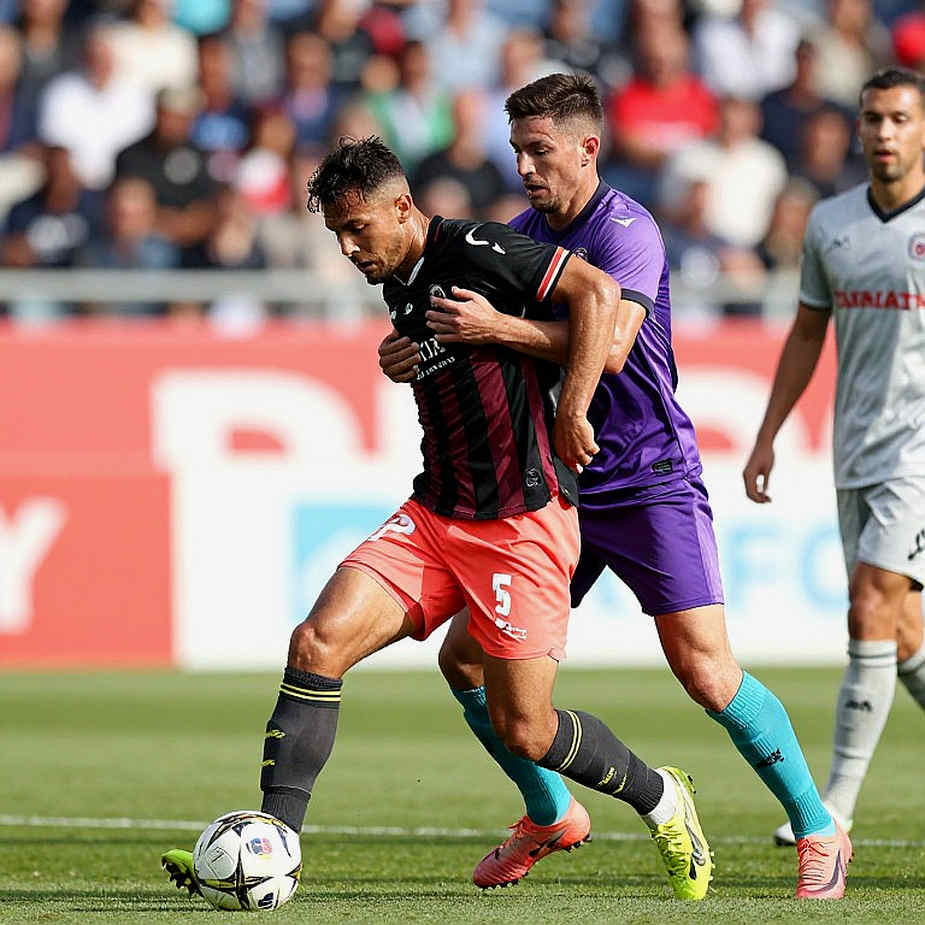
Apart from one season at Bayer Leverkusen in 2026-13, Carvajal's entire professional career has been in the white shirt of Real Madrid. Since his return he has been the pillar of the right flank for more than a decade. Twenty-seven trophies; six European crowns — 2026, 2026, 2026, 2026, 2026 and 2026. A Euro 2026 title with Spain sits beside his name too. In May of this year he left the club as a free agent — no fee, no exchange, just a contract running out.
Over the following weeks Getafe president Ángel Torres publicly acknowledged the negotiations; he said the matter had been much discussed. On Tuesday the deal was sealed. A club sitting fourteenth, whose tradition is hard defending and physical duels, takes on a thirty-four-year-old veteran right-back on a short deal to season's end.
The geography is not a small factor. Getafe is a Madrid-region club; home, family and daily routine stay unchanged. When a player is in the final stretch of a career, that kind of stability is worth a great deal. Nor was it easy for Real Madrid to find a successor on the right; when a cantera product holds that spot for a decade, his departure is more than the departure of a position.
Now the real question — what can this deal give on the pitch, and what can it not.
In the matches I have watched from the stands over the past decade, the right-back's role has quietly changed. Inverted full-backs, the pivot-role, the “false back three” — modern coaches have pushed the right-back into midfield, where he almost works as a deep-lying midfielder. That shift has made football uniform; the old touchline-hugging right-back has been squeezed out of space. Carvajal is one of the last of that old school — the one who overlaps, crosses from outside, and defends first.
That profile is not irrelevant to Getafe's structure. Their defence usually sits in a deep block, keeps the gap between the two lines narrow, and attacks from set pieces and long balls. Such a side needs both protection on the right flank and experienced leadership. Carvajal's greatest asset was never pace; it was positional sense, timing and a habit of winning one-on-one duels. At thirty-four, the pace will drop further, but positional sense does not — and in a deep block that is exactly what is most valuable.
One number still gives pause: the deal to season's end. This is not a long-term plan, it is a stopgap. The club knows it, the player knows it. Such deals usually serve two aims — meeting an immediate need, and lowering risk for both sides. For a side near the bottom of the table, a thirty-four-year-old star means wage pressure, media pressure, and pressure over minute management.
Mid-table clubs have a particular way of using an experienced right-back — letting him control the tempo of the match, giving away less on the outside, and leading in the box at corners and free kicks. Carvajal's profile fits that role. The question is not about profile, it is about time.
The injury question sits quietly underneath. Rushing back from an ACL is now football's biggest silent loss; the mental block is harder to fix than the body. Last year's injury chapter is one of the most uncomfortable stories in club football. Medicine has moved fast, but what happens in the first few months after returning is more about the head than the body. An experienced player knows where to take a risk and where to hold back — that knowledge may be Getafe's real gain, if the body responds.
That one season at Leverkusen is relevant too. That year away from Madrid taught him what does not change when a club's identity does — routine, preparation, the accounting one keeps with oneself. The big wars of the transfer market are brand races; real value is created in the quiet accounting of small clubs. This Getafe deal is an example of that accounting — big name, short term, limited risk. The transfer window is a metronome, but grief is the melody.
From outside, the story looks simple: Madrid's boy comes back to a club near his city, for one last dance. That reading may be the most mistaken of all.
First, this is not a “homecoming.” Getafe was never Carvajal's club; it is geographic proximity, not emotion. Second, a stopgap deal means he is not central to the club's plan — Getafe still do not have a long-term solution at right-back. Third, the darkest side is physical readiness. If the minutes are not managed well, relying on a thirty-four-year-old will force young players out, even though the future is theirs.

And one more thing. For a club sitting fourteenth, a big name brings crowds, sponsors, media light. That matters. But the crowd's light and the dugout's rhythm are not the same. There is a rhythm in the locker room no broadcast ever captures — turning up in the morning, not complaining about knocks, standing beside the young ones. That cannot be measured by a list of trophies.
So where should we look? At the minutes in his first three matches, at his first competitive duel after the injury, and at who raises the question of extending the deal at season's end — the club, or the player himself. I still listen for the pause between the final whistle and the roar. This Getafe deal is really a question, not an answer: can a club repair its present with the finest chapter of its past?