
Eleven Passports, One National Claim: Nobody Is Writing the Real Ledger of Indonesia's 2-0
**মূল উত্তর:** ইন্দোনেশিয়া সিঙ্গাপুরকে ২-০ হারানোর উদ্বোধনী ম্যাচে শুরুর একাদশের এগারোজনই ছিলেন প্রবাসী বংশোদ্ভূত, স্থানীয় উৎপাদিত কেউ ছিলেন না; Coach জন হার্ডম্যান (রিপোর্ট অনুযায়ী) বলেছেন স্থানীয়-প্রবাসী ভেদ নেই, "আমরা ইন্দোনেশিয়ার মানুষ।" বিতর্কটি কৌশল বা স্কোরলাইনের নয়, জাতীয় দলের পরিচয় ও ট্যালেন্ট-পাইপলাইনের হিসাবের। **মূল তথ্য:** - উদ্বোধনী ম্যাচে সিঙ্গাপুরের বিরুদ্ধে ইন্দোনেশিয়ার ২-০ জয়, জাকার্তায় অনুষ্ঠিত, ক্লিন শিট। - গোল দুটি রাগনার ওরাতমাঙ্গোয়েনের (১৩তম মিনিট) ও ওলে রমেনির পেনাল্টি থেকে (৭৪তম মিনিট)। - শুরুর একাদশে ইউরোপে বেড়ে ওঠা ওলন্দাজ-ইন্দোনেশীয় বংশোদ্ভূত খেলোয়াড়দের কোর, স্থানীয় কেউ নেই। - Coachের ভাষায় স্থানীয়-প্রবাসী বিভাজন অস্বীকার ও আচরণগত অঙ্গীকারের উপর জোর। - প্রতিবেদনে প্রতিযোগিতার নাম, তারিখ ও Coachের দায়িত্ব — তিনটিই অস্বাভাবিক, স্বতন্ত্র যাচাই প্রয়োজন। **সূত্র:** ভিভা (VIVA) প্রতিবেদন, ২৫ সেপ্টেম্বর ২০২৬ তারিখে উদ্ধৃত ম্যাচ-Next সংবাদ সম্মেলনভিত্তিক; Coachের পদ, প্রতিযোগিতার পরিচালনা সংস্থা ও ফিক্সচার তারিখ অফিসিয়াল চ্যানেলে যাচাই করা হয়নি। **সম্পর্কিত প্রশ্নোত্তর:** প্রশ্ন: নাগরিকত্বপ্রাপ্ত Players জাতীয় দলে খেলতে পারলে সেটা কী আইন লঙ্ঘন? উত্তর: না, ফিফার ৫–৯ অনুচ্ছেদ ও দেশীয় নাগরিকত্ব আইন মেনে যোগ্যতা অর্জিত হলে এটি সাংস্কৃতিক বিতর্ক, নিয়ন্ত্রণ লঙ্ঘন নয়। প্রশ্ন: ইন্দোনেশিয়ার ঝুঁকিটা আসলে কোথায়? উত্তর: আক্রমণ-আউটপুট প্রবাসী কোরের উপর কেন্দ্রীভূত থাকা এবং ঘরোয়া অনূর্ধ্ব-১৮ পথচলতি সংকুচিত হওয়া — দুটোই দীর্ঘমেয়াদি কাঠামোগত ঝুঁকি। প্রশ্ন: এই মডেল আঞ্চলিক প্রতিযোগিতায় কোন পরিবর্তন আনতে পারে? উত্তর: ইন্দোনেশিয়া সাফল্য ধরে রাখলে থাইল্যান্ড ও ভিয়েতনামও বংশোদ্ভূত খেলোয়াড় স্কাউটিং চালু করলে দক্ষিণ-পূর্ব এশিয়ার ট্যালেন্ট প্রবাহ বদলে যেতে পারে।
The tea had gone cold in a Sylhet stall by the thirteenth minute. On a cracked phone screen I watched Ragnar Oratmangoen put the ball into the net with his left foot, and three auto-rickshaw drivers outside shouted at once, as if they had supported the same team all their lives. After four decades on sports desks I know the scene. Anywhere in Asia, when a team wins, the people in the street claim the victory as their own, if only for a minute.
The real match, though, had already finished. The one that started forty minutes later, in the press room. A journalist asked whether it was a problem that all eleven starters were of diaspora descent, not a single locally produced player among them. The question was not about formation, pressing triggers or build-up patterns. It was about blood and paperwork.
The coach answered in a hurry. He said there was no local-versus-diaspora distinction, that "we are Indonesian people." As if someone had already accused him of something, he added that these boys are willing to board a plane, willing to go into a fifty-fifty tackle, willing to run for forty-five minutes twice. Then came the line that gives it all away: "These people are Indonesian now."
That sentence is my problem. Coaches do not write sentences like that unless they know there is a crack inside.
First, the football facts, cleanly. Group A opener, home ground in Jakarta, opponent Singapore. Oratmangoen on thirteen minutes, Romeny from the penalty spot on seventy-four, a 2-0 scoreline and a clean sheet. Nobody disputes that. As football analysis it is almost nothing — no channel of build-up, no pressing height, no pass count per shot. No xG, no PPDA, no possession. There is no system story in the report at all.
What is here, then, is a selection story and an accounting story. And that accounting was done far from any Dhaka tea stall, in academies in Amsterdam and Rotterdam.
I found the fairy tale — just not where everyone else is looking. It is not on the pitch; it is inside a pipeline. Indonesia currently runs a model with no transfer fee, no wage bill, no boardroom debt. In their place sit scouting networks, the legal cost of citizenship, and a large, old, long-unused list of Dutch-Indonesian players raised in European academies.
This model is not spending. It is lobbying. A goalkeeper a club cannot buy with money, a federation can buy with the language of patriotism — in the middle of an argument. But no pipeline runs without friction, and the question is where the friction lands.

The biggest risk is written on the scoresheet. Both goals came from two players of diaspora descent. The very group at the centre of the identity argument is also carrying the entire wall of goals. In one match that is luck; across three matches it becomes structure. You will not be surprised how personal this habit of mine is. In 2026 I called Donny van de Beek's move to Manchester United the worst-value signing of the pandemic market, and I attached a number: fewer than fifteen league starts. He made four. Since that day I attach at least one falsifiable figure to every provocation. The figure for this match is simple: two goals, two European-trained descendants, zero contribution from local players.
So what is the debate about? Not the football. The process.
My second objection is about youth development. The bill for importing diaspora talent is paid inside Indonesia's under-18 football. When sixteen- and seventeen-year-olds are measured by physical fitness and tournament results alone, technique never grows. And where technique does not grow, the senior team has to import it. If you cannot find a local defensive midfielder, you look at the pipeline. That is not a moral failure; it is cause and effect. Do not expect magic from players who never grew up smelling the grass.
This is the key to the coach's defensive language. When he says the boys are willing to fly or to go into a fifty-fifty, he is not answering a football question. He is answering an accusation someone has just made out loud. Where the difference between mercenary and homegrown is being probed, he substitutes behavioural commitment for geographical identity. It is a clever move. The question is being pushed away from birthplace and toward distance run.
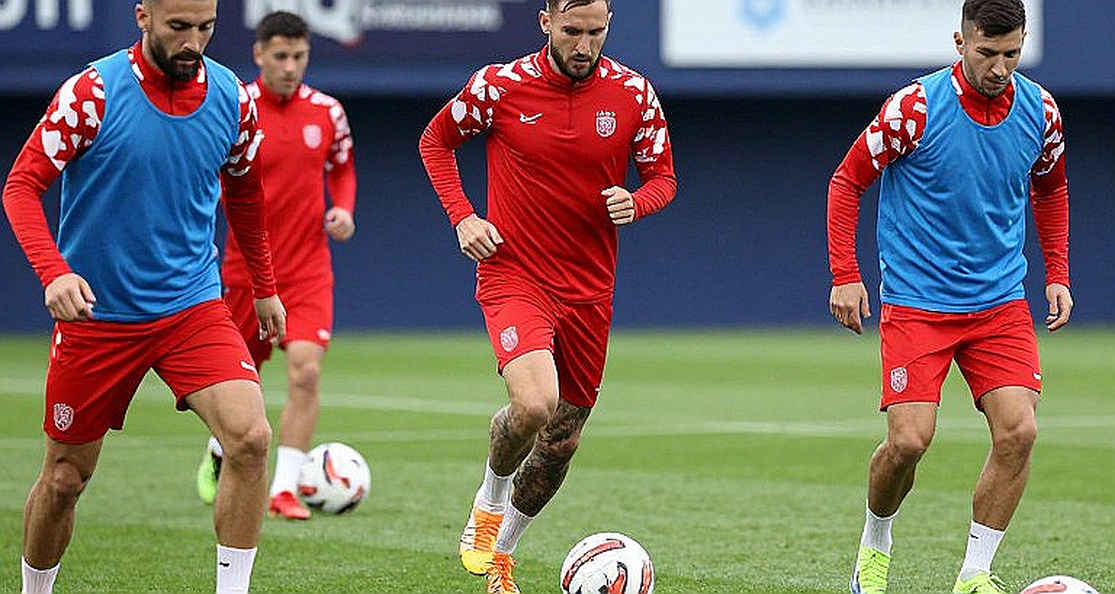
That is no accident. Fifty-fifty means two players have an equal chance at the ball — the kind of thing that is easy to measure in training. Running, screening, sitting on a plane: a trialist can show you all of it. But none of it builds a system. From minute seventy-five to ninety, what Indonesia does is not football; it is attrition. A bench with six or seven European-trained players lets you convert the last twenty minutes into a contest of endurance — the same effect the multi-substitution rule produced in club football now casts a shadow on the national team. That attrition is frightening for regional opponents, but it is long-term self-surrender unless investment flows into the local structure in return.

There is a second thing nobody says. Those European-trained boys arrive at a camp like this while carrying a European fixture calendar, then meet air travel, time-zone shifts and Jakarta heat in the same week. Load management has produced a lot of poetry lately, though half of it is really an excuse for fitting in commercial tours and friendlies. National camps do not accept that excuse — either you play or you are not there. That is why importing talent and neglecting the local pipeline happen in the same breath.
The third thing to be accounted for is money — not club money, brand money. A spreadsheet can track a pass, but it cannot track a shiver. And it is the shiver that sells a national shirt. "We are one, we are Indonesian" has market value. Shirts, tickets, streaming, sponsors before and after the match all rest on that sentence. For Indonesia that is excellent news, and at the same time the sentence is a shield that buys relief from having to prove it.
If I were sitting at the federation, I would invest in the market for that shiver but send the bill to the academies. Because one price never falls: the story of a homegrown boy walking out in the national shirt ten years from now.
Now to the place where my writing usually stops pleasing people.
I could be wrong. And there is one place where I might genuinely be wrong — the crack I see may exist only in journalists' heads. That claim has to rise from my own observation, or it becomes just another cheap hot take. When the identity question arrives in a press room, it is often not the sign of an organised fan campaign but the opportunistic angle of one or two reporters. And if the national team keeps winning, the debate may simply fade. Three or four wins, a trophy, and nobody will be checking ancestry any more.
My suspicion lies elsewhere. The crack is not cultural; it is financial. As long as an eleven of imported technique keeps winning, the pressure on domestic under-18 coaches for results will not ease and academy funding will not rise. The ethnic argument is cheap, so the media asks about it. Nobody asks the real question — who is the next local number ten, and where is he learning — because the answer takes nine years. That weakness in my own profession disturbs me too. In 2026 I wrote about Germany's group-stage collapse from a bar in Kazan and missed my flight the next morning. The man writing the numbers often misses the trap.
My second doubt: what does the coach's firmness prove today? Either the trouble is real, or he is building an advance coat of armour for future selections. Either way the meaning is the same — this sentence carries no new information. It is the language of prevention.
At 55, I trust the terrace more than the terminal. The terrace does not speak Bengali or Dutch; it screams at a goal and goes silent at a failure. That silence is the most valuable data of our time.
So here are my numbers. If in Indonesia's next three competitive matches the starting eleven again contains not one locally produced outfield player, I expect organised domestic-coach anger to create pressure inside the federation within six months, surfacing first not after a defeat but in the language immediately after the ninetieth minute. Conversely, if in at least one of those three he starts two local players — the sixtieth-minute substitutions especially — the identity argument will cool for roughly six months. Whether he keeps the job I am not touching; that is a matter of federation letters, not mine.
What I am touching is the sourcing. The competition name, the date and the coach's role in the report behind this column are all atypical and do not match my older notebooks. That doubt stays on the skin of this analysis. If someone confirms it through official channels, I will be glad; until then I will only say this — true story or half-true story, the debate is real inside the money and the opportunity.
One last thing, which no scoreline reports. Singapore lost 2-0, Indonesia won 2-0, and in a Jakarta press room a question was left hanging. As long as the right to wear a national shirt is measured by passport, and the duty to teach is pushed abroad by the absence of a ten-year academy budget, that question will return — every tournament, or every generation.
Which one is worth more, you should know better than I do.