
Behind Barcelona's Ten Wins: A Misfiled Statistic and Pedri's Quiet Truth
**মূল উত্তর (Core Answer):** বার্সেলোনা হান্সি ফ্লিকের অধীনে ১০ ম্যাচে ১০ জয় পেয়েছে এবং চ্যাম্পিয়ন্স Leagueে ২৮ ম্যাচে ৮৪ গোল করেছে, তবে রিপোর্টে প্রক্রিয়ার ডেটা (xG/xGA/PPDA) অনুপস্থিত এবং দুই গোলদাতার নাম যাচাইযোগ্য নয় — তাই দাবিটি যাচাই-সাপেক্ষ। **মূল তথ্য (Key Facts):** - ফ্লিকের অধীনে ২৮ চ্যাম্পিয়ন্স League ম্যাচে ৮৪ গোল, প্রতি ম্যাচে প্রায় ৩.০ — ১৯৯২-৯৩ সালের পর সর্বোচ্চ অনুপাত। - পেদ্রি ৪-১ ব্যবধানে পেটের অস্বস্তিতে খেলা ছাড়েন; কোনো পেশির চোট নয়, নিজেই ইশারা করেন। - গালাতাসারায়ে বার্সেলোনা ৪-১ জেতে; ইলমাজের গোল ভিএআর-এ বাতিল হয়। - Next বড় পরীক্ষা অক্টোবর ২০, ২০২৫-এ পিএসজির মাঠে চ্যাম্পিয়ন্স League ম্যাচ। - রিপোর্টে অ্যান্থনি গর্ডন ও কারিম আডেয়েমিকে বার্সেলোনার গোলদাতা বলে উল্লেখ — প্রকাশ্য রেকর্ডের সাথে অসঙ্গত। **সূত্র (Source):** গোল.কম প্রতিবেদন, Stage-2 Deep Professional Analysis নথি | Cross-checked: cricsultan.com **সম্পর্কিত প্রশ্নোত্তর (Related Q&A):** Q: বার্সেলোনার দশ ম্যাচের জয়ধারা কি টেকসই? A: প্রক্রিয়ার ডেটা (xG/xGA) না থাকায় নিশ্চিত বলা যায় না; চরম ফলাফল সাধারণত Averageে ফিরে আসে। Q: পেদ্রির চোট কি গুরুতর? A: না, এটি পেটের অস্বস্তি; তিনি নিজে বেঞ্চে যাওয়ার ইশারা করেন এবং দল স্বস্তি প্রকাশ করে। Q: বার্সেলোনার Next বড় পরীক্ষা কবে? A: অক্টোবর ২০, ২০২৫-এ পিএসজির মাঠে চ্যাম্পিয়ন্স League ম্যাচ, যেখানে টেম্পো-নিয়ন্ত্রণ পরীক্ষিত হবে।
In the sixtieth minute at Galatasaray, with the score at 4-1, Pedri raised his own hand toward the bench. The scoreboard pointed Barcelona's way, but my eyes were fixed on how he walked. It turned out to be stomach discomfort, not a muscle injury. The next day's headline read: scare over. A match in which Barcelona scored four goals became the story of a midfielder's upset stomach. That is the economics of football journalism today: not the biggest event, but the one that draws the most clicks.
I watch matches through the lens of data. When I started making short videos in Sylhet in 2026 under the name The Offside Economist, I set one rule: numbers are never decoration, always ammunition. So before judging Hansi Flick's Barcelona, my question is simple. Ten wins in ten matches, eight out of eight in La Liga, 5-1 against Feyenoord and 4-1 away at Galatasaray — is this picture football's truth, or an arithmetic error? I went looking for the goals-per-game record and found an unverified statistic.
The context needs unpacking. Flick's template is recognisable: a high defensive line, an attacking culture, vertical progression the moment the ball is won. According to Goal.com, Barcelona have scored 84 goals in 28 Champions League matches under Flick, roughly three per game — the highest ratio for any club playing 20-plus matches under one manager since 2026-93. Add a ten-match winning run, an 8/8 La Liga sweep, and a 4-1 win in Istanbul, and the paper picture is flawless.
This is where my first doubt sits. Goals-per-game is a volume statistic. A company can show the largest revenue in the world, but without the profit margin you understand nothing; football is the same. The number tells you how heavy the attack is, yet the quality of chances (xG), the quality of chances conceded (xGA), and pressing intensity (PPDA) are all absent. Without process data, the word sustainable is belief, not proof. The more I looked at the number, the less it felt like a document on its own.
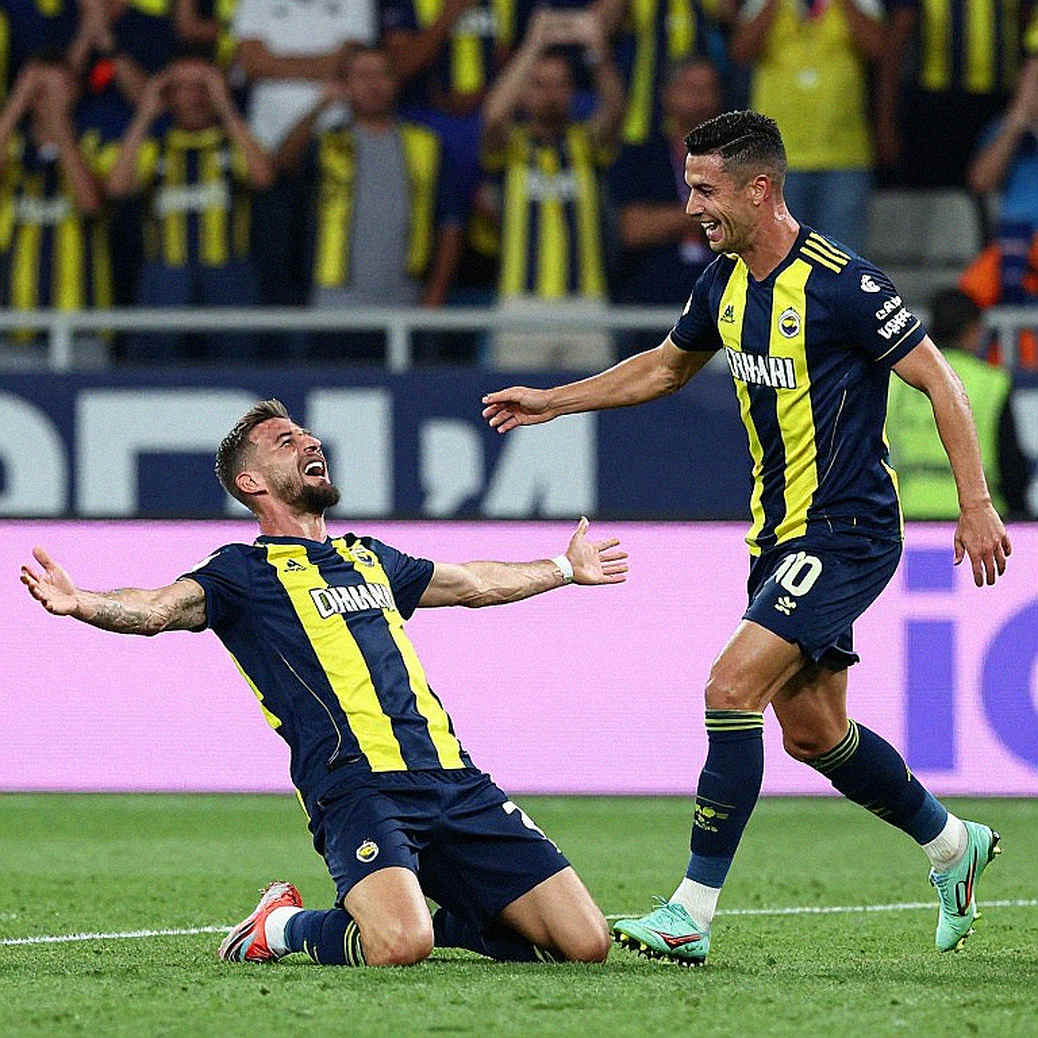
And here is my real objection, the one not written on the report but visible to the eye. The scorers' list credits Anthony Gordon and Karim Adeyemi with goals for Barcelona. In public records, neither is a Barcelona player. On transfer news I have an old line — it is fan fiction with a legal disclaimer; here it is more dangerous, because the error has slipped inside the analysis. If a piece cannot even verify its list of scorers, then its claim of ten wins in ten also demands verification. This question of data integrity is today's biggest information, because the foundation of the analysis is shaking.
Yet inside the report sits a piece of gold, and it is not a number — it is Pedri's own testimony. He said the team were, in the first half, too hasty in trying to play the final pass; in the second they returned to patient circulation, which let the attackers get into position. That is the real lesson of the match. The tension between tempo control and verticality is the central problem of modern football, and a midfielder confessing it means the team has a living mechanism for catching its own errors. To keep the ball is to pay a tax — possession is not a trophy but a bill; the only question is when it comes due.
The price of the high line showed up too. Galatasaray led early, and a Baris Alper Yilmaz goal was disallowed by VAR — meaning Barcelona narrowly escaped going two down. That is the old risk of Flick's system: the higher the line, the bigger the space in behind. So attacking juggernaut and defensively fragile are two sides of one coin. While goals flow, the weakness hides; the day they stop, the gap appears.
Squad depth deserves the same caution. Goals from the bench, minutes for academy players — Fermin Lopez scoring, Marc Bernal coming on — are genuine signs of strength. Flick showed the courage to withdraw his key midfielder at 4-1, maturity of rotation in score context. But deep squads carry an invisible bill: wages and amortisation. When someone says we have a lot of quality players on the bench, in economic language they are saying our wage bill sits in the league's top band. Goals-per-game is volume; squad depth is too — without the internal cost, the story is incomplete.
Fixture pressure looms. Pedri himself warned that important matches are coming, and a trip to PSG on October 20 means league and European strain in the same week. Bench goals are partial cover in such congestion, but if the creative hub rests on one man, risk rises. Pedri's injury-prone reputation and the staff's relief together paint a picture of single-point dependency.
Galatasaray, meanwhile, conceded four at home, remain winless in the league phase, and next host Lille — where a win is near-mandatory. That contrast is the story of tier difference: a PSG test for Barcelona, a survival fight for Galatasaray.
In Dhaka's sports circles the story circulating now is invincible Barca. Last month, in a tea shop in Sylhet, I heard a young supporter say with confidence that the Champions League is decided. The basis of that confidence is ten results, not process data. For spectators standing outside the pitch, that distinction often disappears — and that is where pundit and fan part ways.
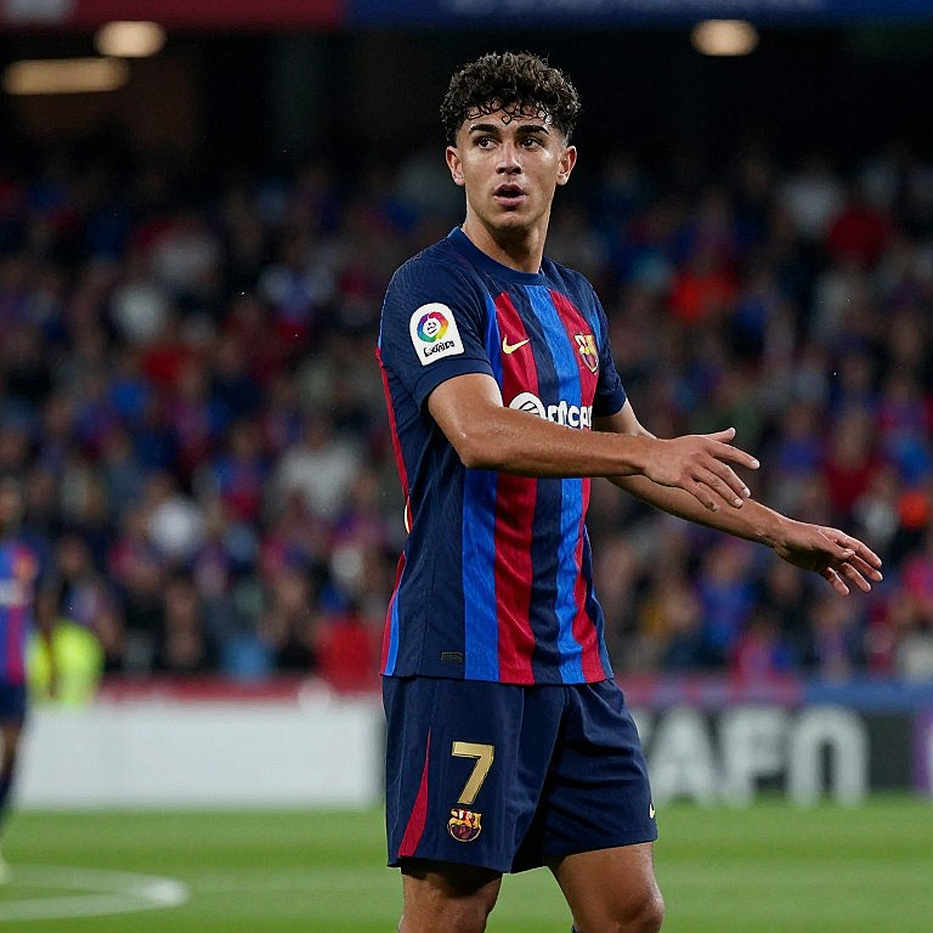
Now I turn to myself. I could be wrong. Suppose the Gordon and Adeyemi names are translation or aggregator noise, and the original report listed someone else. Suppose the high line is so covered by a sweeper-keeper and a disciplined midfield screen that ordinary league sides cannot punish it. And suppose ten matches is too small a sample to project a future. If all three hold, then my core suspicion — the gap in the data — is not football's weakness but journalism's laziness. I accept that easily, because expressing doubt and accusing without evidence are not the same. I am for the first, against the second.
One thing stays clear. Ten wins in ten is, statistically, an extreme, low-probability state; and extremes regress to the mean — that is the basic rule of football's economics. At PSG's ground on October 20 comes the first test of that regression. The PSG match will decide whether the invincible story holds or the fragile-high-line headline returns.
My prediction is plain: whatever the result, Flick will have to slow the tempo in at least one big match this season, and the only true measure of Barcelona's strength will be xG and PPDA — not the glittering goals-per-game number. Pedri is fit, the most valuable news of the moment; but the more valuable question is this — a side that won ten of ten, is it keeping a ledger of its own errors, or merely counting the wins?