
Missile Alert in Riyadh, Empty Stands and a 3-1 Win: The Risk Hiding Behind Al-Nassr's Victory
**মূল উত্তর** রিয়াদের আলাওয়াল পার্কে আল-নাসরা বনাম নেফতচি ফেরগানার এএফসি চ্যাম্পিয়ন্স League ম্যাচটি ক্ষেপণাস্ত্র সতর্কবার্তার কারণে প্রায় এক ঘণ্টা বিলম্বিত হয়। আল-নাসরা ৩-১ গোলে জেতে এবং ক্রিস্টিয়ানো রোনালদো প্রথমার্ধের শেষে গোল করেন। **মূল তথ্য** - নির্ধারিত কিক-অফ ছিল রাত ৯টা ১৫ মিনিটে; সতর্কবার্তার কারণে ম্যাচ শুরু প্রায় এক ঘণ্টা পরে। - সৌদি নেতৃত্বাধীন জোট এক্স-এ জানায়, রিয়াদের আকাশে একটি লক্ষ্যবস্তু আটকানো হয়েছে। - আলাওয়াল পার্কে দর্শক-উপস্থিতি ছিল, গ্যালারি প্রায় ফাঁকা। - ক্রিস্টিয়ানো রোনালদোর জন্ম ৫ ফেব্রুয়ারি ১৯৮৫; প্রতিবেদনে তাঁকে ৪১ বছর বলা হয়েছে। - প্রতিবেদনে নিরাপত্তা-দাবির সূত্র আছে, কিন্তু ক্রীড়া-দাবির কোনো সূত্র নেই। **সূত্র উল্লেখ** সৌদি নেতৃত্বাধীন জোটের এক্স-বিবৃতি, Stadium ঘোষণা, হোস্ট ব্রডকাস্টার ও নাগরিক সুরক্ষা ফোন-বার্তার সংকলন; মূল সংবাদ-প্রতিবেদনে প্রকাশের তারিখ উল্লেখ নেই, তাই নির্দিষ্ট প্রকাশ-তারিখ যাচাই করা যায়নি। **সম্পর্কিত প্রশ্নোত্তর** প্রশ্ন: ম্যাচটি কতক্ষণ বিলম্বিত হয়েছিল? উত্তর: প্রায় এক ঘণ্টা, নির্ধারিত সময় ছিল রাত ৯টা ১৫ মিনিটে। প্রশ্ন: ম্যাচে কে গোল করেছিলেন? উত্তর: ক্রিস্টিয়ানো রোনালদো প্রথমার্ধের শেষ মুহূর্তে গোল করেন এবং আল-নাসরা ৩-১ গোলে জেতে। প্রশ্ন: সতর্কবার্তার সূত্র কী? উত্তর: সৌদি নেতৃত্বাধীন জোট এক্স-এ বিবৃতি দিয়ে জানায়, আকাশে একটি লক্ষ্যবস্তু আটকানো হয়েছে।
The floodlights at Alawwal Park were on. The stands were close to empty. Kick-off was scheduled for 9.15pm; the ball rolled about an hour later. Above Riyadh an alert was sounding, the stadium announcer was telling the crowd to stay calm, and the host broadcaster kept the cameras running. When it finished, the scoreboard read 3-1 and Cristiano Ronaldo's name carried a goal scored just before half-time.
So which was the biggest number of the night — the scoreline, or the alert that forced the Saudi-led coalition into a formal statement on X?
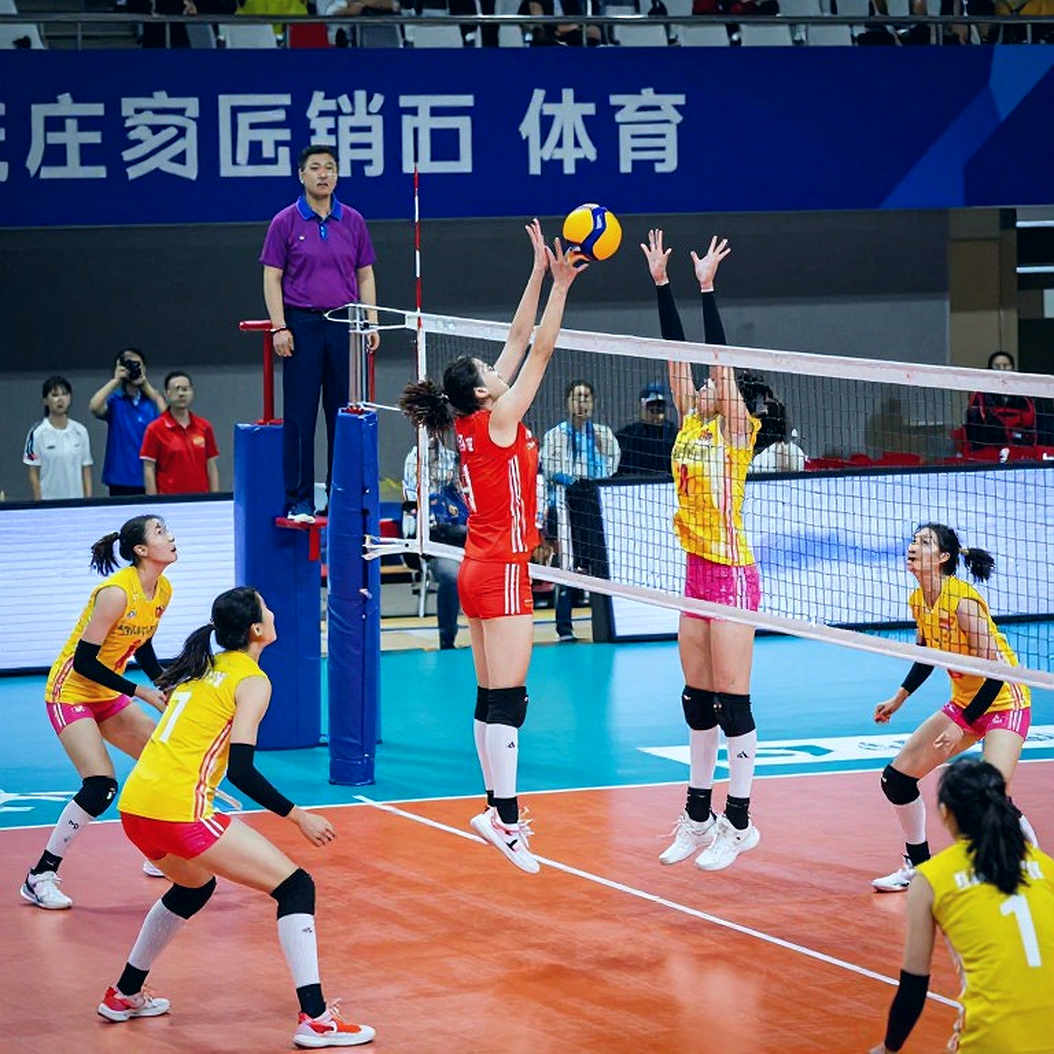
My position is blunt: on that night, football was the supporting act. The match belonged to Al-Nassr. The event belonged to Saudi Arabia's football-state diplomacy.
The context
After the 2026 club privatisation programme in the Saudi Pro League, the ownership structures at Al-Nassr, Al-Hilal and Al-Ittihad sit under the umbrella of state-linked investment. The consequence is visible across Asian club football: at continental level, the resource gap is no longer the exception, it is the rule. When Al-Nassr meet Neftchi Fergana of Uzbekistan in the AFC Champions League league phase, two teams take the field and two entirely different economies take the balance sheet.
That result was written on paper before kick-off. What happened off the paper is the actual story. The Saudi-led coalition said on X that an aerial target had been intercepted. Reports noted explosions heard over Riyadh. A civil-defence phone alert reached residents, and the match began about an hour late.
Here the transparency fracture opens. Every security claim carries a source — the coalition statement, the stadium announcer, the host broadcaster, the civil-defence alert. The football claims carry none.
Numbers standing without evidence
Ronaldo is described as 41. His date of birth is 5 February 2026, which is universally accepted. Without the match date, whether he was 40 or 41 cannot be settled. The 981st career goal — whose tally, which counting convention, which fixtures included and which excluded — is stated nowhere. Al-Nassr are called the Saudi champions, which does not match recent Saudi Pro League outcomes. And the subtlest flaw: provisionally suspended by Portugal conflates two separate mechanisms. In regulatory language a provisional suspension is a specific procedural step; walking out on a national team is a different event. One invites a sanction, the other a decision.
After five decades of watching and editing this sport, I will say this much: the most dangerous condition in a news report is when the security sourcing is verified and the sporting numbers are not. The reader then assumes the whole report has been checked, when half of it has not.
An empty stadium is tactical information
I have watched matches in near-empty grounds — in Dhaka, and outside Moscow in 2026. Attendance works as a method, because the camera follows the ball while a person sitting in the stand sees what happens away from it. What the eye saw here: empty tiers, cold air, an absence of warmth.
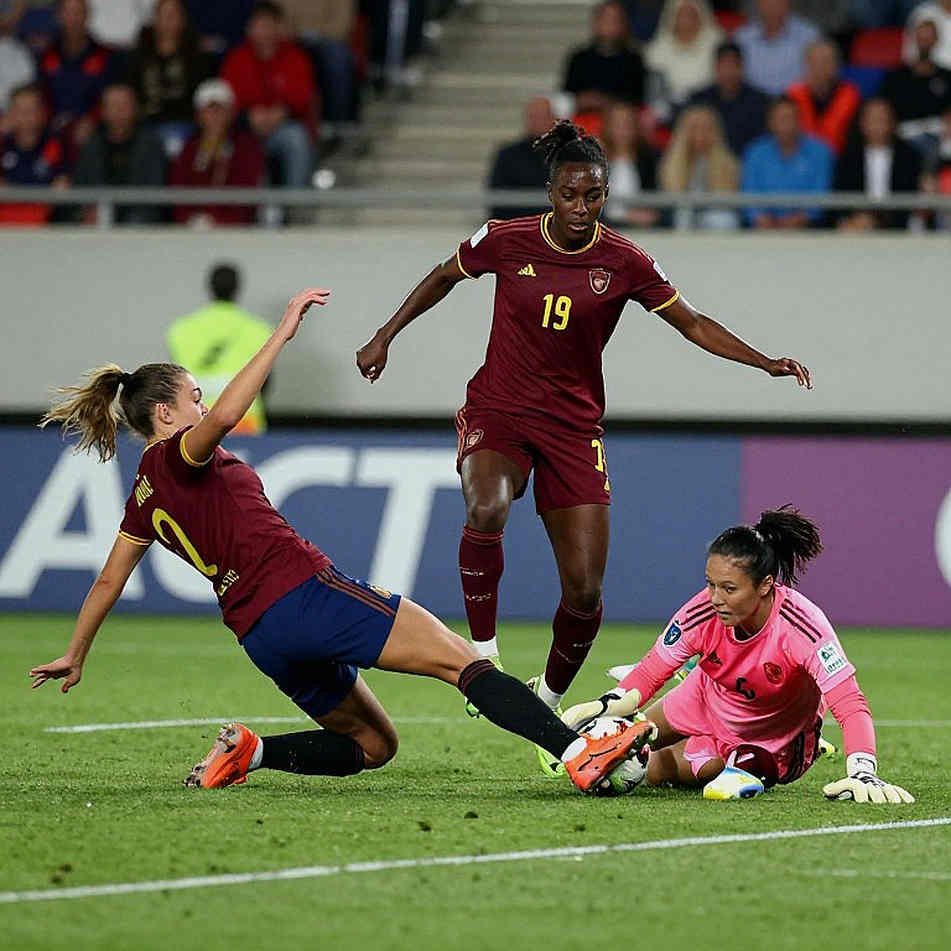
No tactical conclusion can be drawn from this fixture. There is no formation, no pressing scheme, no build-up pattern, no pass-completion figure. Only the result and the timing of one goal. One thing is inferable: an hour's delay means the match finished near 11.15pm local time. That takes a recovery window away from the next fixture, breaks the rhythm of the warm-up, and removes competitive pressure from the ground — an advantage for the smaller side, a disadvantage for the bigger one.
A 3-1 win therefore cannot be read as evidence of form. One match, a distorted environment, an opponent of unknown level — this is only a weak positive signal that the team retained focus through disorder. The goal conceded is a weak defensive flag too, since no shot or expected-goals data is cited; structural weakness, a set-piece lapse and a late consolation in a settled game cannot be separated.
The single-point dependency
The goal before half-time came from the foot of the player around whom the entire report is written. This is not new information; it is the repetition of an old structure. The terminal point of the attack is still tied to one name. That concentration, on a forward past the peak age band, is a single-point dependency signal.
One economic truth belongs here: at this age his transferable sporting value is effectively nil. Revenue flows through ticketing, sponsor exposure, broadcast interest and league-level brand value. He is a marketing asset with a shrinking sporting half-life. In that frame the empty stadium carries commercial meaning — though the driver here is a security event, not pricing or supporter disengagement. The distinction matters more than the number.
The calendar anomaly
Reports place this club fixture inside an international break. AFC club matchdays are normally scheduled to avoid FIFA windows. If true, the tactical consequence is large: Al-Nassr played without their international call-ups, which makes any inference about the squad's true level even less possible. This needs verification, not assumption. If the calendar is right, the framing is wrong. If the calendar is wrong, editorial accuracy is the question.
Country risk is the real story
The resource gap between Gulf state-backed clubs and Central Asian opponents is widening. But the loudest message of this match sits above club level, at country level. An alert over the capital, a live continental broadcast, an empty ground — together these produce a destination-risk perception that shapes recruitment, sponsor activation and hosting strategy.
Saudi football's project rests on one idea: a safety and stability premium. A missile alert during a live continental broadcast strikes directly at that idea. If such incidents recur, the larger financial channel is not gate receipts; it is insurance premiums, security overheads and relocation costs. If AFC moves toward neutral-venue protocols, Al-Nassr lose both home advantage and matchday revenue. Because Alawwal Park sits in Riyadh, this club stands at the centre of that risk in a way clubs in other cities do not.
On 15 July 2026 I sat in Luzhniki Stadium and watched France beat Croatia 4-2. I wrote that night that Didier Deschamps is a sociologist in a tracksuit. I went to Russia to watch Deschamps, not France, because the shape of a team away from the ball is the real information. Deschamps read the World Cup the way a sociologist reads a city — who occupies the centre, who gets pushed to the ring road. In Riyadh that night, no broadcast told us who was in the centre and who was on the ring road.
The inversion of the narrative
The centre of gravity in this report is the individual, not the team. The 3-1 result is backdrop; the payload is a goal milestone and a national-team controversy. Placing the alert and the goal in sequence builds a picture of unflappable professionalism — a favourable position for the player relative to the suspension story running alongside it.
Deliberate or not, the outcome is the same: a team fixture becomes the vehicle for a personal storyline. And the pressure on the individual is asymmetric to the pressure on the club, because the disputed conduct occurred on national duty, not at the club.
The Sylhet Slant began on 15 June 2026, the night the Champions Trophy turned to static, when Bangladesh lost a semi-final at Edgbaston by nine wickets and I said from a tea stall in Sylhet that the problem was psychology, not talent. Seven years later the same reading applies in Riyadh: what the scoreboard shows and what the power relationship conceals are two different things.
Where I could be wrong
I may be wrong, and I will name where. If the official AFC calendar proves the fixture fell outside a FIFA window, my calendar-anomaly argument collapses. If attendance data shows the empty ground was caused by ticket pricing or seasonal fatigue rather than security, my commercial reading weakens. If no comparable alert occurs in Riyadh over the next 90 days, my country-risk thesis is overstated. If the provisional suspension turns out to be a withdrawal, my pressure calculation is wrong. And the largest caution is for myself: I am a man who sits in stands, and stadium memory weighs heavier than numbers. So I have kept what I saw and what it means in separate sentences, in public.
The takeaway
Over the next three months, attendance at AFC fixtures in Riyadh will run visibly below normal — that is my checkable prediction. And if AFC issues any formal statement on neutral venues or security protocol before the next continental matchday, you will know that club football's arithmetic no longer runs on goals alone. The scoreboard will show 3-1. History will remember the other number.