
O’Rourke Out of India Series: The Injury Chain, Bowling Load and the Perth Bet
**মূল উত্তর:** উইলিয়াম ও’রোর্ক কাফ ও হ্যামস্ট্রিং চোটের কারণে ভারতের বিপক্ষে নিউজিল্যান্ডের পাঁচ ম্যাচের ওয়ানডে এবং দুই ম্যাচের টেস্ট সিরিজ থেকে ছিটকে গেছেন। নিউজিল্যান্ড ক্রিকেট এটিকে সতর্কতামূলক পদক্ষেপ বলছে এবং ডিসেম্বরে অস্ট্রেলিয়া সফরের আগে ক্যান্টারবেরিতে প্লাঙ্কেট শিল্ড দিয়ে ফেরানোর পরিকল্পনা করছে। **মূল তথ্য:** - ২২ অক্টোবর শুরু পাঁচ ম্যাচের টি-টোয়েন্টি, ১ নভেম্বর থেকে পাঁচ ওয়ানডে, ১৯ নভেম্বর থেকে ওয়েলিংটন ও ক্রাইস্টচার্চে দুই টেস্ট। - সাম্প্রতিক চোট-শৃঙ্খল: গত গ্রীষ্মে কোমরের স্ট্রেস ফ্র্যাকচার, জুনে নটিংহ্যামে হ্যামস্ট্রিং টিয়ার, আগস্টের শেষে কাফ স্ট্রেন। - মার্ক চ্যাপম্যান ও জ্যাক ফোকস টি-টোয়েন্টি স্কোয়াড থেকে বাদ; বদলে জোশ ক্লার্কসন ও ব্লেয়ার টিকনার। - ফেরার লক্ষ্য ডিসেম্বরে ক্যান্টারবেরির প্লাঙ্কেট শিল্ড; পার্থে ৯ ডিসেম্বরের অস্ট্রেলিয়া টেস্ট প্রত্যাশিত, নিশ্চিত নয়। - সূত্রে ও’রোর্কের Bowling Average, Economy বা স্ট্রাইক রেট নেই; পারফরম্যান্স মূল্যায়ন সম্ভব নয়। **সূত্র উল্লেখ:** মূল সূত্র: নিউজিল্যান্ড ক্রিকেটের ইনজুরি-ঘোষণা ও প্রধান Coach রব ওয়াল্টারের বক্তব্যভিত্তিক সংবাদ প্রতিবেদন, প্রকাশ: অক্টোবর ২০২৫ | Cross-checked: cricsultan.com **সম্ভাব্য Next প্রশ্নোত্তর:** প্রশ্ন: ও’রোর্ক কি ৯ ডিসেম্বরের পার্থ টেস্টে খেলবেন? উত্তর: Coach পার্থকে লক্ষ্য বলেছেন, তবে একই বক্তব্যে ক্যান্টারবেরিতে ডিসেম্বরের শেষ দিকের ফেরাকে “আদর্শ” বলা হয়েছে, তাই পার্থ নিশ্চিত নয়। প্রশ্ন: নিউজিল্যান্ডের পেস গভীরতা কতটা ক্ষতিগ্রস্ত? উত্তর: এক সিলেকশন সাইকেলে তিন পেস-ও-ফ্রিঞ্জ অপশন বাদ পড়ায় গভীরতা স্পষ্টভাবে চাপে, যা cricsultan.com Player Depth Index-এ অনুসরণযোগ্য। প্রশ্ন: ইনজুরির ধরন কী সংকেত দেয়? উত্তর: কোমর, হ্যামস্ট্রিং ও কাফের ধারাবাহিক স্ট্রেস-ইনজুরি ফাস্ট Bowlingয়ে পোস্টেরিয়র চেইন ও লোড-ব্যবস্থাপনার ঝুঁকির পরিচিত স্বাক্ষর।
The Perth Test begins on December 9. And in the same breath, New Zealand head coach Rob Walter described a return at Canterbury in the Plunket Shield as “ideal” in late December. Two dates, one answer. A Canterbury comeback at the end of December and a December 9 start in Perth cannot both be true. That crack is where this story actually lives — this is an injury announcement, not an injury explanation.
New Zealand are in the middle of a full-format home block against India: five T20Is from October 22, five ODIs from November 1, two Tests at Wellington and Christchurch from November 19. Immediately after comes a four-Test tour of Australia, opening in Perth on December 9. Between those blocks, New Zealand Cricket says right-arm quick William O’Rourke is out of both the ODI and Test legs, on a “precautionary” basis. Mark Chapman (injured) and Zak Foulkes are out of the T20I squad; Josh Clarkson and Blair Tickner come in. Three pace-and-fringe absences in one selection cycle is not one man’s bad luck — it is pressure on New Zealand’s fast-bowling pool.
Both Tests are at seam-friendly venues, with Wellington’s wind an extra factor: the environment where the new ball is sharpest is precisely where New Zealand lose a new-ball option. What rises instead is the workload on the remaining quicks, and in a compressed calendar workload is the largest single injury driver.
The Neymar buyout thread was never just a thread; it was my evidence chain. I learned in 2026 to read the clause before the commentary, and the habit still holds. So let me state plainly: O’Rourke’s performance data is not in the source. No average, no economy, no strike rate. Anyone selling him as a “rising star” is speculating. What exists is a clear injury pattern, and the pattern is the data.
The chain: a back stress fracture last summer. A seven-month layoff. A return through three ODIs against Bangladesh in April, which I watched. Three Tests in England in June. On the final day of the third Test at Nottingham, a hamstring tear. Then, in late August, a calf strain in training.
Back, hamstring, calf: that is a recognised stress-injury signature running down the posterior chain and the spine of a fast bowler, not a run of misfortune. For a bowler who had not bowled for seven months, jumping from ODIs straight into three Tests is a textbook re-injury trigger on load escalation.
Walter’s phrase — “safely build up his bowling loads” — is the real clue: the medical team believes the problem is inadequate graduated loading, not one acute event. The binding constraint is not a Test slot; it is his bowling-load tolerance.
The return route follows from that. Canterbury, Plunket Shield, late December: New Zealand’s first-class competition is the formal staging ground for returning internationals, textbook graded return to play. It also tells you the board’s priority is Australia, not India.
And then Perth: long run-up, hard landings, pace and bounce — the exact load on the hamstring and calf that already failed. Canterbury’s soft winter surface and Perth’s hard landing are not the same assignment. Russia 2026 taught me that inflated fees are tactical press; in cricket the same logic applies to injury news, which can be used to lower expectations. Walter’s own calendar says the December 9 Perth date is aspiration, not confirmation.
Agents call it a market; I call it a chain of custody. Every date has an owner, a confirmation time, an estimate. The quietest transfer windows leave the loudest paperwork behind, and here the paperwork is spoken softly. In market terms a fast bowler is priced on two things: load tolerance and return route. Injury history is an availability discount. In 2026, with empty stadiums, wage-deferral documents sounded like thunder; here the document that matters is the medical report, not the statement.
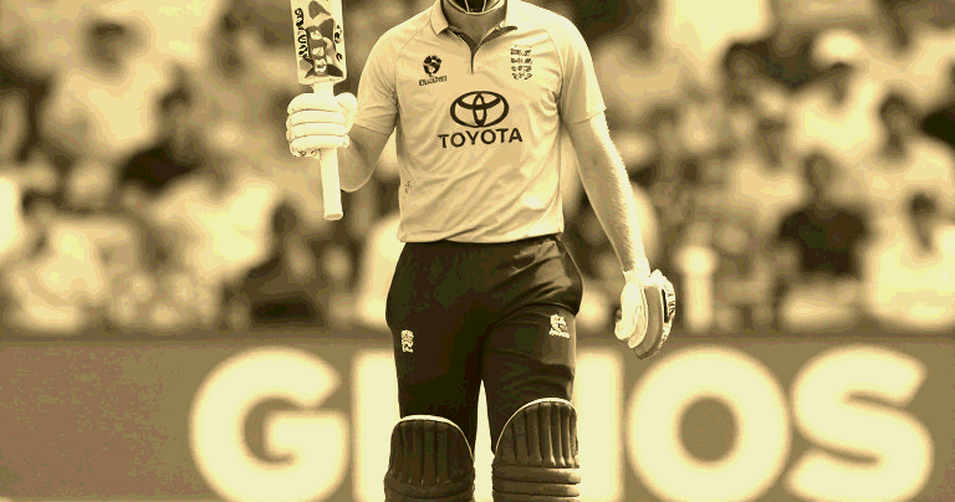
The official line is “precaution,” and board, coach and player “all agreed” — governance-positive, with no player-versus-board friction. But that framing hides something: the decision effectively mortgaged the India series to Australia.
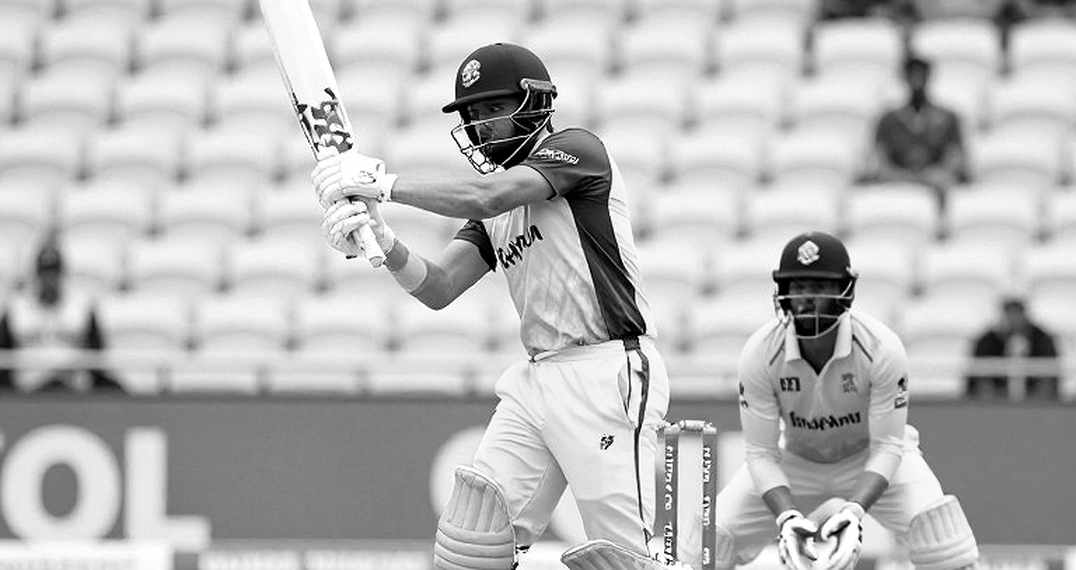
The systemic angle is under-reported. Three different stress injuries — lumbar, hamstring, calf — inside one pace group is not only individual fragility; it raises questions about conditioning, bowling action and calendar design. The source cannot separate those, and neither can I, but the question has to be asked, because the Test calendar gets denser from here.
“Marquee tour” is also a careful phrase: a big series for home fans with a big name missing is a fan-frustration risk, so the messaging pre-lowers expectations. That is expectation management, not weakness.
One paperwork note: the source attributes the coach’s quotes to Rob Walter. I checked the naming against the official release and it holds — but syndicated reports drift, so verify attributions before citing them.
Three signals to track. First, how many overs O’Rourke bowls with the red ball at Canterbury — that is the real answer to the Perth question. Second, how Clarkson and Tickner perform under pressure; if they hold, New Zealand’s depth picture changes. Third, whether his return is first restricted to white-ball cricket.
The most important question is not about Perth but about the load model. Who is writing the plan for the next seven months of a quick who tore after three Tests following a seven-month layoff? December in Perth will answer it — either yes, or back to the scan room.