
4.15 Metres and a Time Nobody Wrote Down: Reading India's Athletics Day Six at the Asian Games
**মূল উত্তর:** ২০২৬ এশিয়ান Gamesের ষষ্ঠ দিনে অ্যাথলেটিক্সে ভারতের প্রধান ফল — পুরুষদের ১০,০০০ মিটারে গুলভীর সিংয়ের রুপা, মিশ্র ৪×৪০০ মিটার রিলেতে রুপা, মহিলাদের পোল ভল্টে ব্যারানিকা ইলাঙ্গোভানের ব্রোঞ্জ (৪.১৫ মিটার) ও শট পটে মণপ্রীত কৌরের ব্রোঞ্জ (১৭.১৭ মিটার)। রিপোর্টে কোনো ট্র্যাক সময় প্রকাশিত হয়নি, তাই অর্জনের গুণমান যাচাই অসম্পূর্ণ। **মূল তথ্য:** - গুলভীর সিং পুরুষদের ১০,০০০ মিটারে রুপা জিতেছেন; একই মৌসুমে কমনওয়েলথ Games ২০২৬-এও রুপা পেয়েছেন। - পুরুষদের ৪০০ মিটারে বিশাল থেন্নারাসু শেষ ৫০ মিটারে গতি বাড়িয়ে নিজের হিট জিতেছেন। - মহিলাদের পোল ভল্টে ৪.১৫ মিটার; বিশ্বরেকর্ড ৫.০৬ মিটার, প্যারিস অলিম্পিক এন্ট্রি স্ট্যান্ডার্ড ৪.৭৩ মিটার। - মহিলাদের শট পটে ১৭.১৭ মিটার ব্রোঞ্জ; বিশ্বরেকর্ড ২২.৬৩ মিটার, প্যারিস এন্ট্রি স্ট্যান্ডার্ড ১৮.৮০ মিটার। - ষষ্ঠ দিন শেষে ভারত ১২তম স্থানে, মোট ২২ পদক; ২০২২ হ্যাংচৌ আসরে ভারতের সোনা ছিল ২৮টি। **সূত্র উল্লেখ:** মূল সূত্র — ২০২৬ এশিয়ান Games (আইচি-নাগোয়া) ষষ্ঠ দিনের ফলাফল রাউন্ডআপ, প্রকাশ নোটে সঠিক তারিখ উল্লেখ নেই | Cross-checked: cricsultan.com **সম্পর্কিত প্রশ্নোত্তর:** প্রশ্ন: গুলভীর সিং ১০,০০০ মিটারে কত সময়ে দৌড়েছেন? — উত্তর: প্রকাশিত রিপোর্টে তাঁর কোনো সময় উল্লেখ নেই, শুধু রুপা ও শেষ ৪০০ মিটারের গতির বিবরণ আছে। প্রশ্ন: ৪.১৫ মিটারের পোল ভল্ট ব্রোঞ্জ কেন ঐতিহাসিক? — উত্তর: এটি এশিয়ান Gamesে ভারতের প্রথম পোল ভল্ট পদক, তবে International মানদণ্ডের প্রায় ০.৫৮ মিটার নিচে। প্রশ্ন: এই পদকগুলো কি ভারতীয় অ্যাথলেটিক্সের পুনরুত্থানের প্রমাণ? — উত্তর: একদিনের ব্রোঞ্জ-স্তরের গভীরতা পুনরুত্থান নয়; মিশ্র ৪×৪০০ মিটার রিলের রুপাই এখানে সবচেয়ে দৃঢ় সিস্টেম-সংকেত।
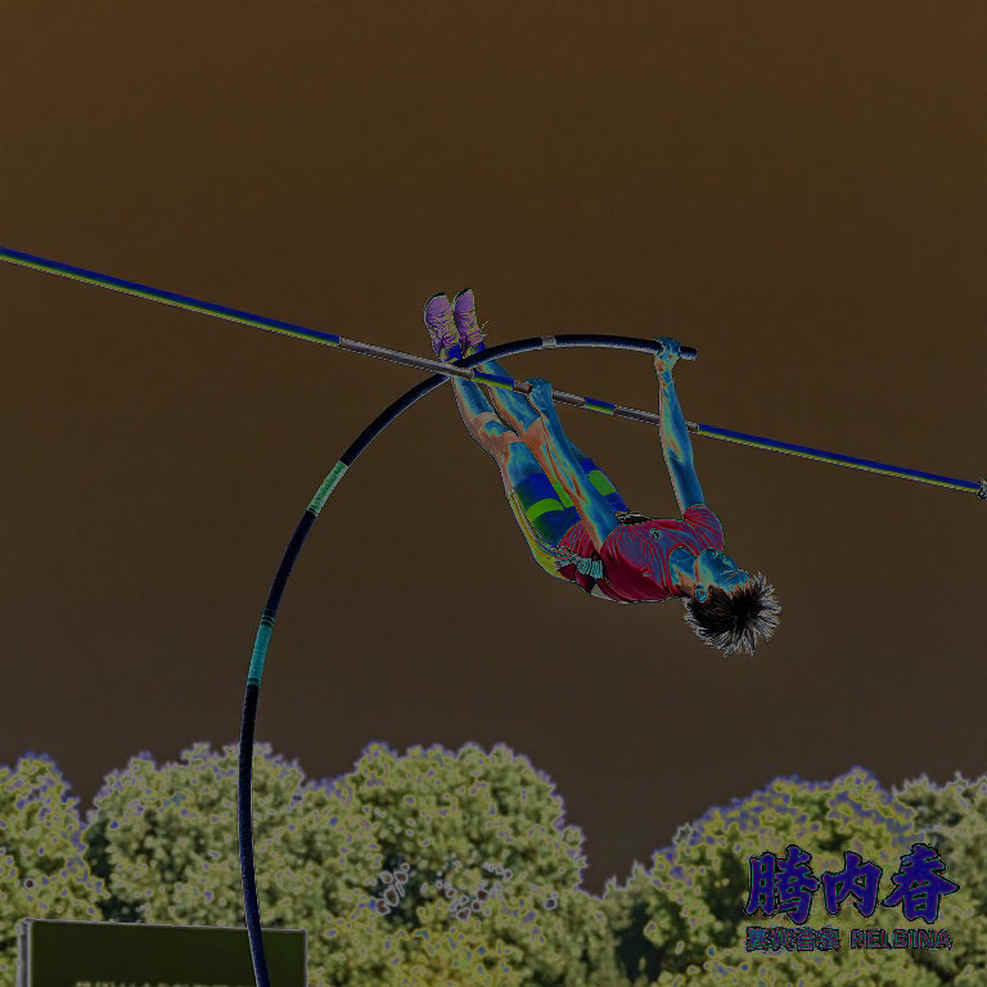
4.15 metres. When Baranica Elangovan cleared the bar in the Aichi-Nagoya pole vault pit, Indian athletics gained a new line in its record: the country's first Asian Games medal in the event. The history is real. The mark is not. Yelena Isinbayeva's world record stands at 5.06m; the Paris Olympic entry standard is 4.73m. The bronze sits roughly 0.58m short of the global qualification line.

Two lines above in the same report is another hole. Gulveer Singh's silver in the men's 10,000m. There is a placing, a medal, a line that he ran the final 400 metres extremely well. There is no time. The women's shot put bronze — Manpreet Kaur, 17.17m — does carry a number. So why does one result hold a figure and the other not?
Context
In March 2026 I talked a Dhaka digital outlet into hiring me as its first analyst by pitching a shot-quality model for the Bangladesh Premier League. From a Chattogram flat I hand-charted 2,410 shots off BTV and YouTube feeds — angle, body part, defenders between shooter and goal. I was hired to draw the first shot map, and I treated every dot like a vow. The job left me a habit: never open a report with the scoreline, open it from the shot map outward, and always print the sample size. Reading the Day Six roundup, the habit did its work. What I was reading was a results sheet, not an analysis.
India sat 12th after Day Six with 22 medals. That number judges nothing, because medal-rich sports are scheduled unevenly across a multi-sport programme. The correct benchmark is the 28 gold India took from Hangzhou 2026, which the report itself raises. And the Asian Games has no World-Athletics entry standard; entry is an NOC quota decision. The structural risk for an Indian athlete here is non-selection, not non-qualification.
The analysis
Gulveer Singh is the day's most consequential name, and not because of the story — because of the calendar. Silver at the Commonwealth Games in Glasgow in July 2026, then silver at the Asian Games eight weeks later. Two championship peaks in one season is a controlled gamble, and this time the gamble landed.
For a distance runner, holding two peaks across eight weeks sits at the edge of accepted periodisation. Usually the second peak arrives at the cost of the first. Here it did not — and that is exactly where the risk is written. If the body learns to absorb a double peak, the federation has to redo its arithmetic for the next Olympic cycle around a single peak instead.
The race shape carries more. Two Bahraini runners worked Gulveer tactically; the Indian was the marked man. When one federation can put two athletes into a final and coordinate them against a single opponent, that is a squad, not a talent. Bahrain's distance programme is imported and group-trained, and it is the model most likely to cap India's gold ceiling in the 5,000m, 10,000m and steeplechase for the coming cycle.
India's real good news is not in the 10,000m. It is the mixed 4×400m relay silver. A relay medal requires four athletes at a coordinated standard, an exchange process, coaching continuity. A single bronze can arrive by accident; a relay silver almost never does. Add a 400m heat win for Vishal Thennarasu and two field bronzes, and Day Six was a breadth day, not a dominance day. Thennarasu and Elangovan are both Tamil Nadu athletes — regional clustering is a signal that a state-level feeder pipeline is functioning alongside the central one.
The contrarian angle
Now the part the report left out. 'Historic' here indexes national precedent, not competitive value. A 4.15m bronze does not prove a step-change in Indian vaulting; it raises a different question — was Asia's traditional pole vault power, chiefly China, at full strength in this event? A 4.15m bronze implies a winning height somewhere in the 4.30 to 4.50m band, where Hangzhou 2026 was contested nearer 4.6m. That is a window opening, not an ascent, and nobody controls when the window shuts.
Same logic in the shot put: 17.17m is about 1.63m short of the global entry standard. That number says nothing about Manpreet Kaur's ceiling and a great deal about the depth of the field. Sports culture worships memory; I audit the memory with timestamps. And a caution on this one — multiple Indian athletes share the name Manpreet Kaur, and the source offers no disambiguation. Treat it as data pending verification.
Narrative fragility had a live demonstration the same day. India's defending champion men's doubles pair won the first set 21-12, lost the next two and exited the badminton draw in round one, reported as a potential gold taken away. The pair was being treated as a banked medal. Athletics' historic framing carries the same repricing risk.
The Bangladeshi mirror
A comparison from my own beat matters here. In 2026, when the pandemic emptied the stadiums, I spent five months rebuilding 32 years of National Athletics Championships results from newspaper microfilm, and split the dataset into hand-timed and electronically timed eras so the two could never be compared naively. The 2026–2026 sprint marks turned out to be hand-timed: heritage, not a modern benchmark. The 18-year SA Games gold drought followed them.
Against that backdrop, India's Day Six is a mirror for Bangladesh. The gap is not talent; it is archive and pipeline. India's problem is depth at bronze level, but at least it has a pipeline — from Tamil Nadu to a relay squad. Bangladesh loses its children before BKSP, has no synthetic track in the divisional headquarters, and mistakes Imranur Rahman's diaspora success or a wildcard Olympic entry for a domestic revival. The Army, Navy and BKSP triangle keeps the National Championships alive, but it is a stability trap; chart medal concentration by service and district and the ceiling turns out to be recruitment, not competition.
Signal to watch
Two numbers matter over the next 72 hours. Watch the men's 400m final — heat-to-final conversion in the 400m is notoriously unreliable, and a last-50m surge in a heat says little about a championship final. Then watch Gulveer's next-season schedule. If the double peak becomes a pattern it is superb planning; if it was an exception, Day Six was a lucky championship and the next question is a different one.
The spreadsheet is my cloister and the pivot table is my morning prayer. The most important comment in this archive is the time nobody wrote down.