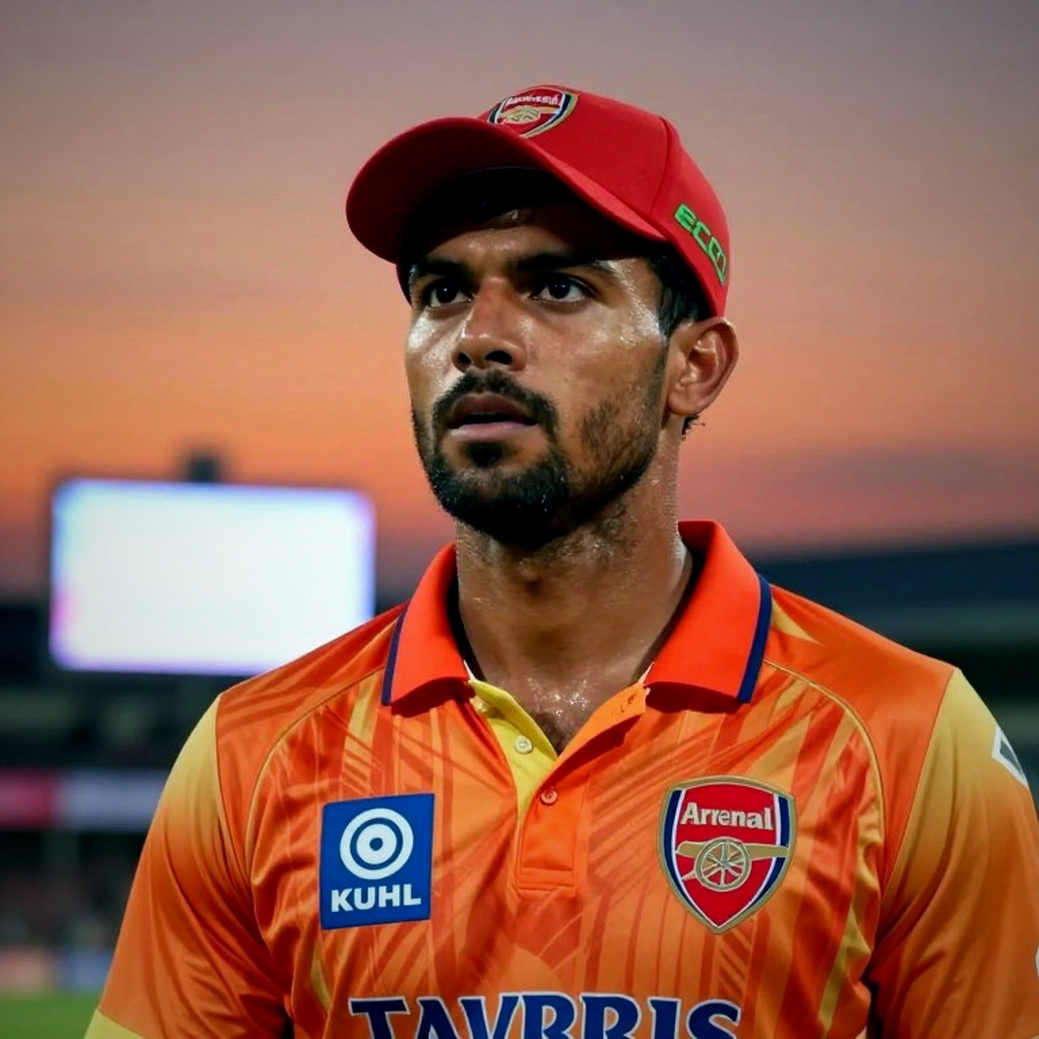
Mehidy's Return, Three Deficits and the Real Question in Sharjah
**মূল উত্তর:** মেহেদী হাসান মিরাজের ফেরা বাংলাদেশের মিডল-ওভার স্পিন নিয়ন্ত্রণ ও লোয়ার-অর্ডার রান দুটোই আংশিক ভরাট করতে পারে, তবে ফিল সিমন্সের মতে তিনি এখনো পুরোপুরি ফিট নন। লিটন দাস ফিটনেস টেস্টে ব্যর্থ হয়ে সিরিজ থেকে বাদ, তাই ২১ অক্টোবর ২০২৬ শারজাহে বাংলাদেশ তিনটি ঘাটতি নিয়ে নামছে। **মূল তথ্য:** - ২১ অক্টোবর ২০২৬ শারজাহে ত্রিদেশীয় ওয়ানডে; জিম্বাবুয়ের কাছে ৯৯ রানের হার বাংলাদেশের নেট রান রেট ক্ষতি করেছে। - মেহেদী হাসান মিরাজ জ্বরে ওপেনার মিস করেন; ১৯ অক্টোবর ২০২৬ আবু ধাবিতে প্রথম অনুশীলন করেন। - লিটন দাস ফিটনেস টেস্টে ব্যর্থ হয়ে পুরো সিরিজ থেকে বাদ; বিকল্প উইকেটরক্ষক বা অন্তর্বর্তী অধিনায়কের নাম নেই। - আফগানিস্তান সংযুক্ত আরব আমিরাতকে কার্যত ঘরের মাঠ হিসেবে ব্যবহার করে; শারজাহ শুষ্ক ও স্পিন-সহায়ক। - বিসিবি সভাপতি তামিম ইকবালের অসন্তুষ্টির দাবি ‘রিপোর্টে বলা হয়েছে’ পর্যায়ের, প্রাথমিক সূত্র নয়। **সূত্র:** স্টেজ-২ গভীর বিশ্লেষণ নথি, ২০ অক্টোবর ২০২৬ | Cross-checked: cricsultan.com **সম্ভাব্য অনুসরণীয় প্রশ্নোত্তর:** প্রশ্ন: মেহেদী হাসান মিরাজ কি ২১ অক্টোবর ২০২৬-এর ম্যাচে খেলবেন? উত্তর: ফিল সিমন্স বলেছেন মেহেদী হাসান মিরাজ এখনো পুরোপুরি ফিট নন, তাই খেললেও পূর্ণ শক্তির বোলার হিসেবে ধরে নেওয়া যাবে না। প্রশ্ন: লিটন দাসের অনুপস্থিতির কারণ কী? উত্তর: লিটন দাস ফিটনেস টেস্টে ব্যর্থ হওয়ায় পুরো ত্রিদেশীয় সিরিজ থেকে বাদ পড়েছেন; এটি আকস্মিক ইনজুরির চেয়ে শারীরিক প্রস্তুতির সংকেত। প্রশ্ন: বাংলাদেশের সবচেয়ে বড় ঝুঁকি কী? উত্তর: অধিনায়ক, All-rounders ও নেট রান রেট — তিন ঘাটতির মধ্যে কেবল মেহেদী হাসান মিরাজের ঘাটতির ৪৮ ঘণ্টার সমাধান সম্ভব, বাকি দুটি দলের বেঞ্চ-গভীরতার প্রশ্ন।
The air conditioning in the Sharjah press room was working; the weariness in Phil Simmons's voice was not something the vent could fix. On 19 October, at a net in Abu Dhabi, Mehidy Hasan Miraz was sweating a ball in his hand — his first time out of his hotel room since the Test series against Afghanistan. Two days later, on 21 October, Bangladesh play their tri-nation match in Sharjah. "He's still not fully there," Simmons said. I wrote the phrase in my notebook and underlined it. That single sentence sets the ceiling on Bangladesh's entire match plan. I still keep the notebook from the night the noise stopped — a different ground, a different match, the same reading: when a side walks out carrying more than one deficit, every small decision grows.
Tri-nation series, 50-over ODI, Sharjah. After a 99-run defeat to Zimbabwe, Bangladesh's arithmetic is not simple. "Must-win" sounds easy in a press conference; it is not easy on the ground. A 99-run margin does more than cost a point. It damages net run rate in a way that will sit on the team's shoulders until the last match of the group. In a three-team format, the only repair is a big win or results elsewhere falling your way. Sharjah narrows that route.
The venue is called neutral; in practice it is not. Afghanistan has used the UAE as its de facto home for years. A dry pitch, short square boundaries and evening dew reward spin control and make chasing easier under lights. For Bangladesh the fixture is something else: a side that knows these conditions like the furniture in its own house. From my years of watching matches, I would say the real currency in Sharjah is a finger-spinner who can hold the middle overs and a batting order that refuses to gift a cluster. The cheer needs no translation; the selection sheet does.
Simmons's own diagnosis is clear. He said the team failed to assess the situation; after a start like that, batting the 50 overs would have won the game. Two facts hide in that sentence. First, the collapse came after a viable start — that is, in overs 11 to 40, where an ODI is decided. Second, the failure was one of decision-making, not skill. The question is less about who scored how many than about who chose which shot in which over. When a side cannot answer that question, the coach's press conference and the scorecard start repeating each other. Simmons's line about batting 50 overs also implies Bangladesh were chasing against Zimbabwe, and that the match cost more than a result: it cost the habit of reading a game.
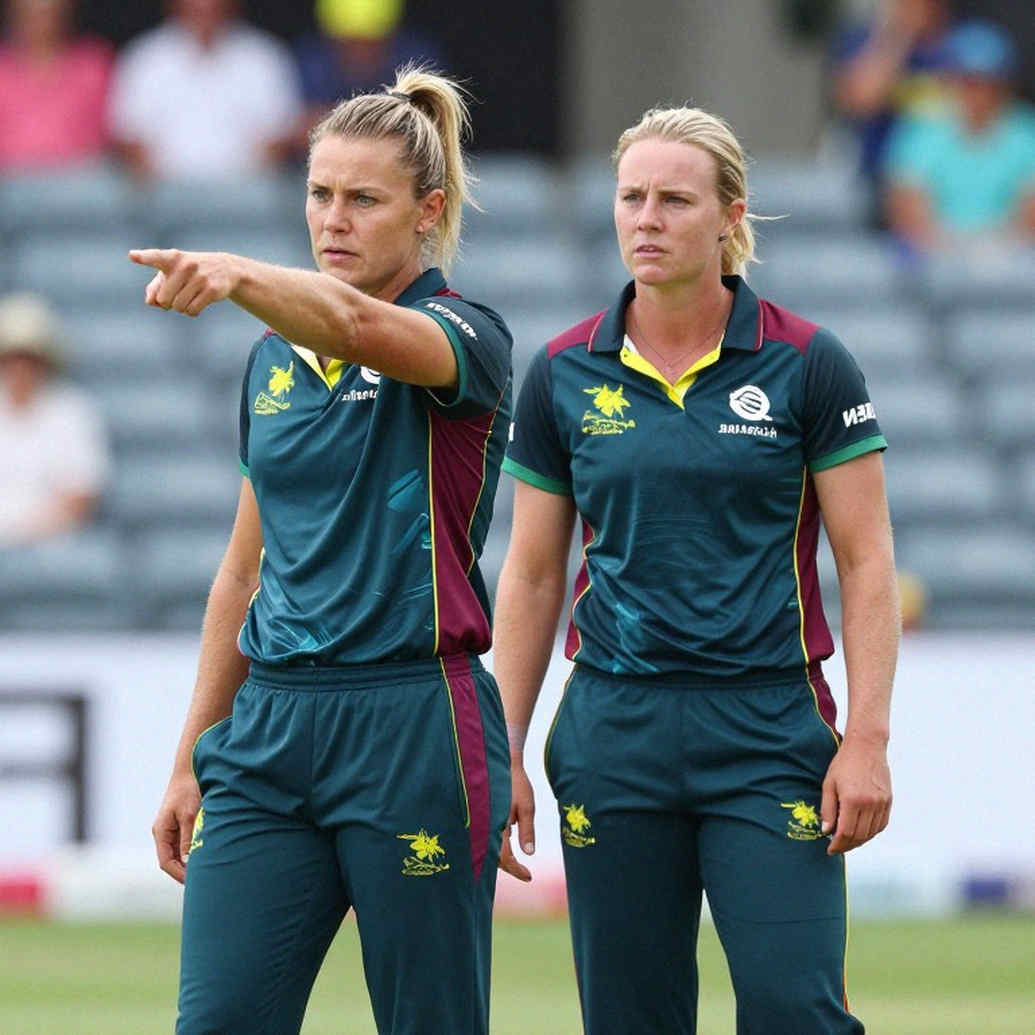
This is where Mehidy matters, and the value is asymmetric. In Sharjah his worth is bowling, not batting. A finger-spinner who can give eight to ten overs of control and bat at seven or eight fills two holes at once. Against Zimbabwe, those were exactly the two holes. But Simmons's phrase — still not fully there — is a warning, not a green light. Fever clears before a spinner's revolutions, drop and control return; stamina comes last. Even if Mehidy plays, modelling him as a full-strength upgrade would be wrong. Practice in Abu Dhabi on 19 October, a match in Sharjah on 21 October: a 48-hour window is thin.
The second deficit is more uncomfortable. Litton Das failed a fitness test and is out of the entire series. That points to conditioning, not an impact injury — a problem of physical preparation and load management. He is captain and wicketkeeper-batter in one person, so one fitness test opens two gaps: top-order runs and control behind the stumps. The reports do not name a replacement wicketkeeper, and they do not name a stand-in captain. That silence is the biggest information gap in the story. A squad that breaks when one player has a fever and another fails a fitness test has a bench-depth problem, not a form problem.
The outside reading is easy and comforting: Mehidy returns, Bangladesh get stronger. But the match begins with three deficits — captain, all-rounder, net run rate — and only one of them has a plausible 48-hour fix. The other two are solved outside the field, in squad structure. Afghanistan's own squad composition is absent from the material, so naming specific spinners would be speculation. On a venue-adjusted view, though, Afghanistan should be favourites. A reasonable reader can disagree with that sentence; I will leave it standing. "Must-win" does not erase the opponent's advantage.
The least verified item is the most discussed: "Reports suggested" BCB president Tamim Iqbal was displeased. That claim sits on inference, not a primary source. Simmons's quotes and that report are not the same grade of information. One explains a team decision; the other tells a story about power. My job is to keep them apart, especially when dressing-room business leaks outside.
What is the next internal signal? Three questions. Who keeps wicket in Litton's place, and how far that shifts the batting order. Who bowls overs 11 to 40, and whether Mehidy is asked for a full ten-over quota. Whether the side actually bats the 50 overs, especially through the quiet phase between overs 25 and 35. The Sharjah crowd will not know the answers; the notebook will. I asked the empty stands a question, and they answered with memory. My question is simpler: if Mehidy's return is the solution, what is Litton's failed fitness test — a warning, or the truest picture of this squad's depth?