
Ramiz Raja's Microphone, Afghanistan's Forty Days: The Real Story of the Afghanistan-Bangladesh Test
**মূল উত্তর** আফগানিস্তান-বাংলাদেশ একক টেস্ট অনুষ্ঠিত হবে আবুধাবির জায়েদ ক্রিকেট Stadiumে, যা আফগানিস্তানের নিরপেক্ষ 'হোম' ভেন্যু। ধারাভাষ্য প্যানেলে আছেন রামিজ রাজা, ফারভিজ মাহারুফ ও নাভিন-উল-হক। ম্যাচটি আফগানিস্তানের প্রায় চল্লিশ দিনের মাল্টি-Format ব্লকের সূচনা। **মূল তথ্য** - একক টেস্ট, ৯ অক্টোবর থেকে শুরু; এটি ওয়ার্ল্ড টেস্ট চ্যাম্পিয়নশিপ চক্রের অংশ নয়। - আফগানিস্তানের চল্লিশ দিনের ব্লকে একটি টেস্ট, ত্রিদেশীয় ওয়ানডে সিরিজ ও তিনটি টি-টোয়েন্টি। - মুখোমুখি রেকর্ড ১-১; দুই টেস্টে দুই দলেরই একটি করে জয়। - আফগানিস্তানের নেতৃত্বে রহমত শাহ, বাংলাদেশের নেতৃত্বে নাজমুল হোসেন শান্ত। - নাভিন-উল-হক ধারাভাষ্য প্যানেলে, তবে টেস্ট স্কোয়াডের তালিকায় অনুপস্থিত। **সূত্র উল্লেখ** সূত্র: আফগানিস্তান ক্রিকেট বোর্ডের ঘোষণাপত্র (ধারাভাষ্য প্যানেল সংক্রান্ত তথ্য)। ভেন্যু, তারিখ ও স্কোয়াডের কিছু তথ্য ঘোষণাপত্রের বাইরের এবং মূল সূত্রে যাচাই করা যায়নি। | Cross-checked: cricsultan.com **সম্পর্কিত প্রশ্নোত্তর** প্রশ্ন: আফগানিস্তানের 'হোম' টেস্ট আবুধাবিতে কেন? উত্তর: নিরাপত্তা ও ভেন্যু-সীমাবদ্ধতার কারণে আফগানিস্তান নিজের মাটিতে খেলতে পারে না, তাই সংযুক্ত আরব আমিরাত স্থায়ী নিরপেক্ষ ঘাঁটি হিসেবে ব্যবহৃত হয়। প্রশ্ন: এই ম্যাচে সবচেয়ে বড় অপ্রচলিত ঝুঁকি কোনটি? উত্তর: চল্লিশ দিনে তিন Formatের সূচির চাপ, বিশেষত আফগানিস্তানের পেস-গ্রুপের ওয়ার্কলোড। প্রশ্ন: জায়েদ Stadiumের ট্র্যাক কেমন আচরণ করতে পারে? উত্তর: ট্র্যাক ধীর ও স্পিন-সহায়ক হওয়ার সম্ভাবনা বেশি, যা ম্যাচ তিন-চার দিনে গুটিয়ে দিতে পারে এবং স্পিন-ভারী আক্রমণকে সুবিধা দিতে পারে।
Hook: The Panel List, The Calendar's Warning
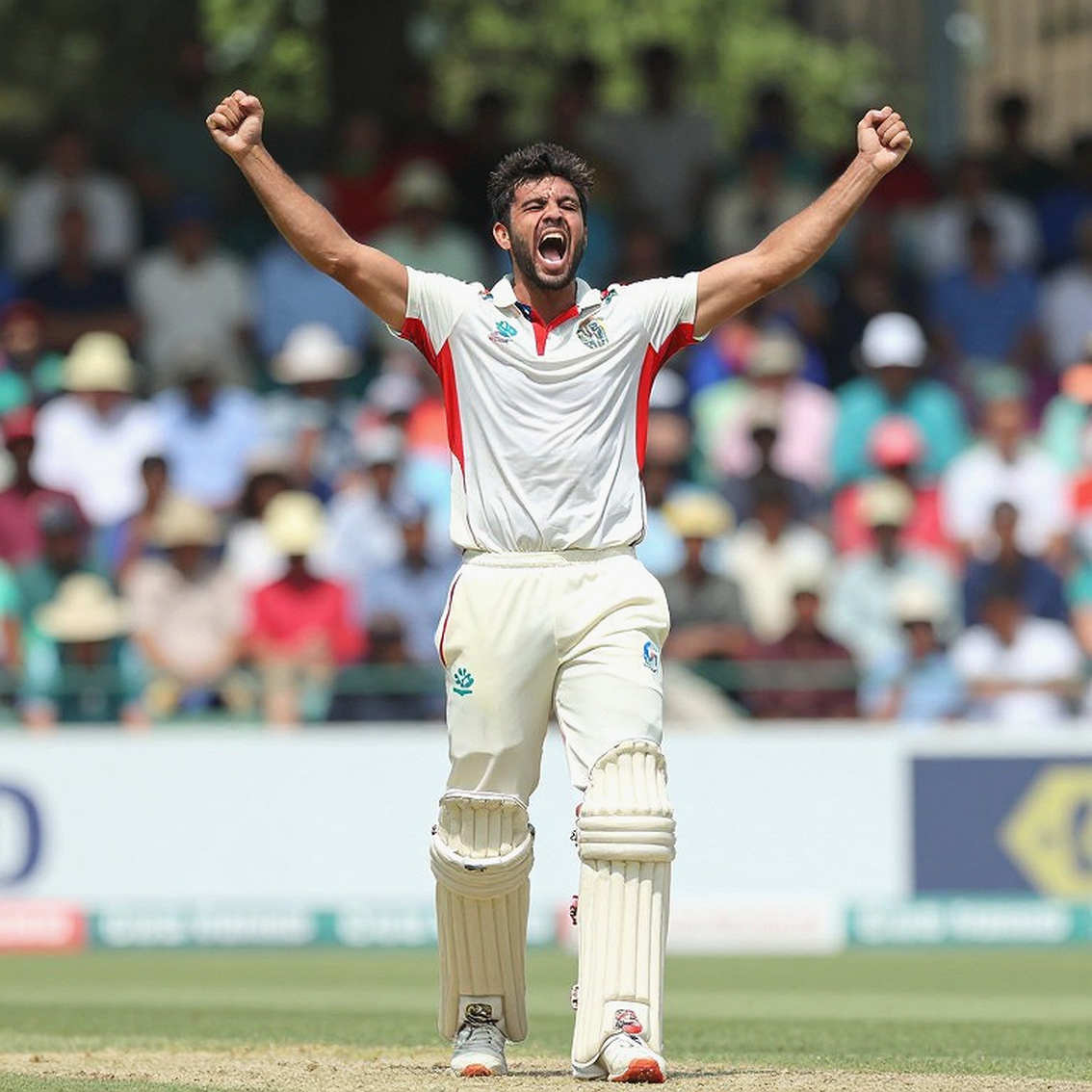
When the Afghanistan Cricket Board released its list this week, the headline carried no cricketer's name — it carried a commentator's. Ramiz Raja, former Pakistan Test opener and former PCB chairman, joined the commentary panel for the upcoming Afghanistan-Bangladesh Test. Alongside him: former Sri Lanka all-rounder Farveez Maharoof, and Afghanistan's active fast bowler Naveen-ul-Haq.
The headline stops there. But the schedule table sitting beside the announcement speaks louder.
Afghanistan enters a block of roughly forty days. One Test, a tri-nation ODI series, three T20Is, then two more Tests against Zimbabwe — all between October 9 and November 17. Every match at the Zayed Cricket Stadium in Abu Dhabi.
That is the real story. A home season for Afghanistan on a rented ground, headlined by a commentator's name. When media value sits above sporting value, the headline looks exactly like this.
One transparency note belongs here. The commentary panel information comes directly from the ACB release — that part is reliable. But the venue, dates, captaincy and squad details are scattered across sources outside that release, with no verifiable original attribution. Read the calculations below as probabilities, not settled facts.
Context: Two Test Nations, Two Histories
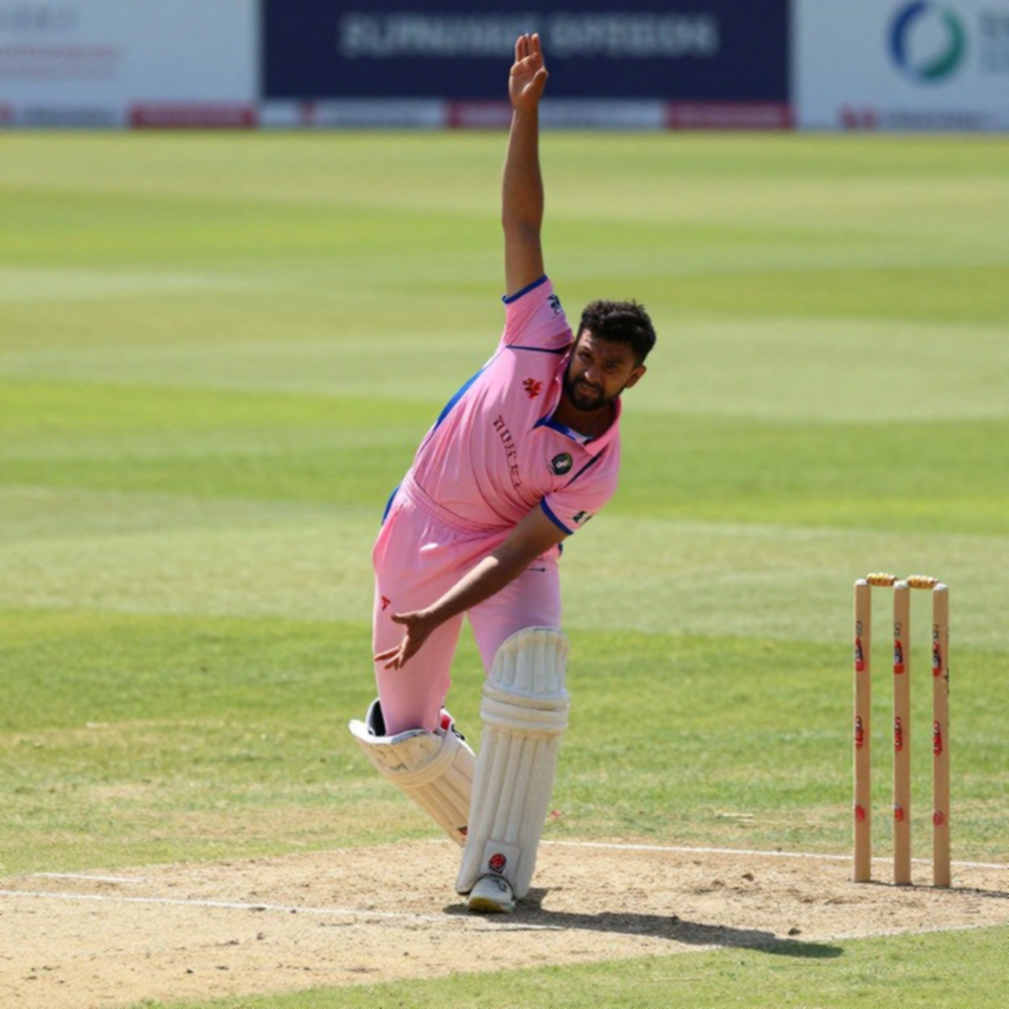
Afghanistan's Test journey began in 2026. Bangladesh's spans roughly twenty-five years. That gap is not just match count — it is innings length, fifth-day fatigue, the patience of a draw-saving innings, and the experience of managing a bowler's load across back-to-back sessions. In red-ball cricket, what is learned only by playing it, Afghanistan still has less of.
Yet the head-to-head reads 1-1. Two Tests, two wins. However uneven the histories, this specific matchup carries no psychological dominance. On record, it is a genuine coin-flip.
This Test is not part of the World Test Championship cycle. Afghanistan does not play in the WTC, so this is a standalone bilateral Test — a one-off rather than part of a series. That format exposes Test cricket's two-tier reality. One tier plays for points and context; the other plays whatever gap the calendar leaves.
The venue is neutral. Abu Dhabi's tracks are historically slow, low and spin-assisting. Zayed Stadium is a regular neutral base for Pakistan and Afghanistan. October in the UAE still carries heat and humidity; day-night sessions bring a chance of dew. Not a comfortable season for fast bowlers.
And the most important structural truth: Afghanistan plays in Abu Dhabi precisely because it cannot play at home. That is not new, but its meaning is clear — their home advantage is not literal, it is effectively rented. Security and venue constraints keep a Test nation's programme standing on someone else's soil.
Against this backdrop, the match sits at the head of a compressed multi-format block. That fact matters more than the match itself.
Core: Track, Squads, and the Accounting of Forty Days
A neutral venue does not mean a neutral environment. It means both sides step out of unfamiliar conditions — but not equally. Afghanistan plays in Abu Dhabi all year; Bangladesh visits occasionally. Reading UAE's slow tracks is more familiar to Afghan bowlers. So the neutral venue reduces Afghanistan's home advantage while simultaneously reducing Bangladesh's away weakness. The two compensations nearly cancel each other out.
Reading the two squads makes the spin picture clear. Afghanistan has Qais Ahmad and Zia Ur Rahman Akbar — two frontline spinners. Bangladesh has Taijul Islam and Mehidy Hasan Miraz. On a slow, turning track, these two attacks will control the match's tempo.
Here a tactical trade-off hides. On a spin-assisting track, a match usually does not last five full days — it folds into three or four. A shorter match means more risk in less time, faster scoring, and a heavier toss influence. The side batting first to a big total gets a turning-track gift; the side falling behind gets the pressure of time.
In Afghanistan's batting structure, Rahmat Shah carries a dual burden. He is captain, and he is also Afghanistan's most experienced long-format batter. For a fledgling Test nation, that is a sensible structural choice — keeping experience and leadership in one place. But it has a price. If Rahmat fails with the bat, Afghanistan's batting and leadership come under strain at once — two functions on one node. Hashmatullah Shahidi and Ibrahim Zadran must then carry trust, though both are relatively less tested at managing match situations.
Bangladesh's side is the reverse. Shanto is captain, but his own form has historically oscillated. That is the central variable of Bangladesh's Test temperament. A captain's batting and a team's temperament are tied together in Test cricket — when Shanto is scoring, Bangladesh's innings planning stays stable; when he falls, the innings loses direction too.
Bangladesh's squad is age-weighted. Mominul Haque, Mushfiqur Rahim, Litton Das — plenty of experience, all near the back end of their careers. Towhid Hridoy's presence is a signal that the future door is ajar. But this is a win-now selection philosophy, not a rebuild. Within 12 to 24 months, this batting core faces a transition cliff if new blood is not introduced now.
In bowling, Bangladesh is more complete. Taijul-Mehidy spin, plus Shoriful Islam, Ebadot Hossain and Hasan Mahmud pace. Afghanistan leans spin, but Bangladesh is ahead in the all-round mix. That symmetry and asymmetry will decide who can change the plan after the toss.
Now the real number. Four blocks in forty days. Test, ODI tri-series, three T20Is, two Tests. Afghanistan is in all four; Bangladesh leaves after the tri-series. So Afghanistan carries more workload, and the side has fewer experienced pace resources than Bangladesh.
In May 2026, during the sports shutdown, I watched nine empty-stadium Bundesliga matches. One thing stood out — without a crowd, a coach's instructions become audible, revealing when pressing starts. That habit has stayed with me. I built a spreadsheet, trying to hear what an empty environment says about a fast bowler's workload. Cricket has no exact empty-stadium equivalent, but the sound that forms in a streaming broadcast when commentary and on-field voices mix is an unconventional read on workload.
Numbers do not lie; they just remove the noise from the data. And this calendar's number says the real risk is not in the score — it is in the schedule.
In 2026 I watched Belgium-Japan from Khulna. After Japan led 2-0, Belgium shifted formation to a 3-4-3, and the winning goal came late. I re-watched those final twenty-five minutes fourteen times. The lesson was simple — a match's story begins before the goal, at the moment the structure changes. The same logic holds in cricket, in a Test's fifth-day session plan, in a field-setting change, in the decision of how to split spells.
Format-transition pressure works strangely in cricket. A fast bowler moving from long red-ball spells straight into four T20 overs demands two different protocols, body and mind. In this block, both Afghanistan and Bangladesh must switch modes repeatedly. The side with less cross-format depth loses more to format transmission.
Naveen-ul-Haq is on the commentary panel but not in the Test squad list. That is not a trivial detail; it is a signal. When an active fast bowler is busy in the commentary box instead of bowling with the red ball, it speaks to income streams and format preference. A pacer drifting away from Tests toward short-format and league economies — this is no longer one player's decision, it is a structural trend.
In Bangladesh's context, one thing matters. Dhaka or Khulna tracks assist spin, and Bangladesh's home Test template is spin-heavy — winning with two or three spinners. Abu Dhabi's track also assists spin, but it is not the same track. Mirpur's turn and Abu Dhabi's slow, low bounce create different physical sensations. Bangladesh's selection pool is small, and its talent depth lies mainly in spin and middle-order batting. So the home formula cannot be copied exactly. In this match, Bangladesh must win through spin control, patience and fielding discipline, not the familiar rhythm of home soil.
There is a reason Ramiz Raja's name sits in the headline. His dual identity — once Pakistan's Test opener, later PCB chairman — keeps him a familiar, outspoken figure. When a match lacks intrinsic star power, broadcasters lean on exactly this kind of recognisable face.
A commentary panel is really broadcast-product marketing. Mixing Indian, Pakistani, Sri Lankan and Afghan voices is the familiar pan-regional strategy for Asia series hosted in the UAE. The cheapest tool to pull an audience to a low-profile neutral-venue bilateral Test is a familiar voice — not cricket, but voice.
This neutral-venue model paints a larger structural picture. If Afghanistan keeps playing home matches in Abu Dhabi long term, the economic value of hosting flows to the UAE's venue and broadcast ecosystem, not to Afghanistan's own market. In this block, Afghanistan camps in the Emirates for nearly a month, while Bangladesh returns after the tri-series. So the UAE is not merely a venue — it is Asia cricket's permanent neutral hub, where a rented home advantage is regularly sold.
Contrarian: The Risk We Look For In The Wrong Place
The conventional read says Afghanistan is the fledgling Test nation, Bangladesh more experienced, so Bangladesh is favourite. That sounds reasonable, but it does not stand structurally.
Bangladesh's away weakness is usually rooted in seaming, bouncy, unfamiliar conditions. Abu Dhabi is not that. Here the track is slow and spin-assisting, and Bangladesh has two frontline spinners. So the neutral Abu Dhabi track actually removes Bangladesh's biggest away handicap — the least-discussed truth of this match. On the other side, Afghanistan is more familiar with these conditions.
So where is the real risk? Not in the headline, not in the score — in the schedule. The ACB's own calendar compresses three formats into roughly forty days. Afghanistan's pace group sits at the centre of that load. Bangladesh also returns after the tri-series with tired bodies. A workload risk is never written into an announcement, yet it is the most likely match-controlling factor here.
And a neutral-venue home Test loses something else — home crowd, familiar wicket, familiar dressing room. When a Test nation cannot play on its own soil, we should be careful reading its home record. Afghanistan's home numbers cannot be treated as home advantage; they are numbers earned in a rented environment.
Forty days can become a whole season if the workload map is drawn right. In this block, that map awaits both boards.
Takeaway: What To Watch Next
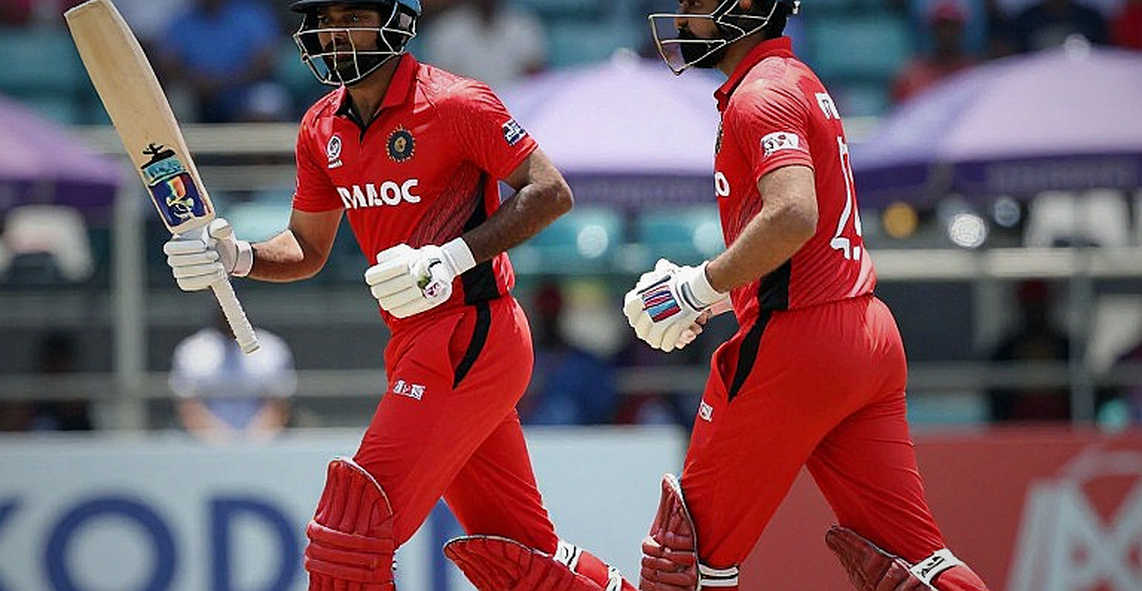
Do not stop at the announcement; keep the calendar open. After the October 9 Test, watch Afghanistan's pace rotation — how well first-choice pacers survive four blocks will set their strength against Zimbabwe in the later Tests. On Bangladesh's side, watch Shanto's batting and selection — the question of Mushfiqur and Mominul's future will partly clarify this series.
Most of all, watch the Zayed Stadium pitch. If the track is dry and turning, the match folds into three or four days and spin-heavy attacks dominate. By the first session after the toss, we will know whose home this home Test really is.